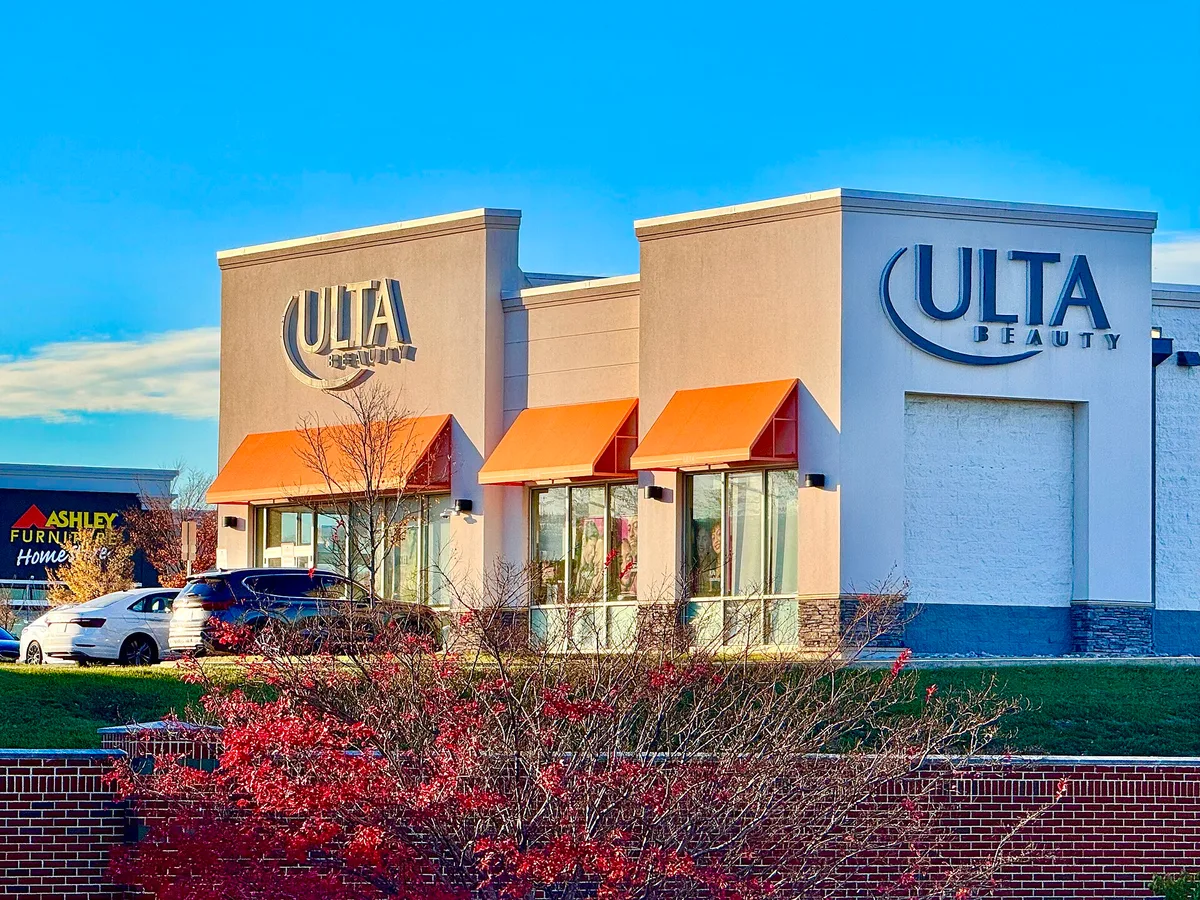
The storefront has left the building. Ulta Beauty, Sephora and Boots are all now selling beauty inside TikTok Shop, and the interesting part is not that they arrived — it is that each brought a different theory of what the platform is for. Ulta, per BeautyMatter, became the first major US beauty retailer to open an official TikTok Shop storefront six months before this reporting; Sephora followed in September with a launch-franchise format; Boots came last, on September 28, with a curated No7-led assortment.
The numbers explain the pull. In the US, beauty generated $2.7 billion on TikTok Shop in 2025, according to Charm.io, while more than a billion beauty-related searches happen on TikTok each month. TikTok says Live shopping sales rose 55% year over year in 2026, and beauty is one of TikTok Shop UK's strongest and fastest-growing categories. When the platform shapes what shoppers want and, increasingly, where they complete the purchase, a retailer that waits for a viral product to send people back to its website is giving away a valuable stretch of the buying journey. That is the whole argument in one sentence — and it is why the beauty business is watching closely. For related coverage, see dpHUE Lands at Target Beauty Studio: Which Product Does Your Color Need.
What follows is a reading of the three strategies as supplied evidence allows: who is building breadth, who is building events, and what each choice tells brands already selling direct. We covered a connected angle in Hair Oils Explained: Which Ones Actually Do the Work.
What is Ulta actually building on TikTok Shop?
Breadth, deliberately. Ulta launched in March with 18 brands and more than 30 bundles, and has since layered on exclusive bundles, early-access launches and what President and CEO Kecia Steelman calls "first moments" with brand partners. The stated objective reaches past in-app sales: on its first-quarter earnings call, Steelman reported a "halo impact" in stores from the TikTok business, and the retailer told BeautyMatter a primary goal was acquiring new-to-Ulta shoppers and pulling them into its wider ecosystem.
The affiliate data makes the shape of this legible. Iced Media identified roughly 2,800 Ulta affiliates generating sales, with its nine largest affiliates accounting for only around 24% of affiliate gross merchandise value. Read plainly: Ulta is not leaning on a handful of creators or single viral moments. It is assembling an always-on creator distribution network, wide enough that many products can surface across many feeds — so that Ulta itself, not whichever item happens to be trending, becomes the habitual destination. As Lauren Brindley, Chief Merchandising and Digital Officer, put it in the launch statement, the platform "strengthens our role as the partner of choice for brands," adding creator-powered ways to launch, tell stories, scale and globalize.
How is Sephora's approach different?
Sephora is building events, not shelf space. Its US play, Sephora Drop Shop, launched September 19 as a recurring monthly franchise: one partner brand gets a dedicated drop with teaser content, creators, interactive experiences and a TikTok Live hosted by a celebrity, founders and creators. Products debut exclusively on Sephora's TikTok Shop before selected items expand to Sephora's own stores and site or to other retail partners.
Its creator model is close to the inverse of Ulta's. Iced Media counted 276 active affiliates around Sephora's early activity — but those creators post roughly twice as many videos per affiliate, and just nine creators drove approximately 80% of affiliate sales. Concentration is the point. Fewer creators, posting harder, around fewer products in narrow launch windows, is a strategy for turning individual releases into moments of urgency. President and CEO of Sephora North America Artemis Patrick framed the pilot as a "natural progression" for a retailer whose ethos, in her words, has always centered beauty discovery.
Why did Boots go third — and what does its entry signal?
Boots launched its first TikTok Shop storefront on September 28 with a curated start: No7's Pro Artist, Good Intent and Prime Forever collections, with more Boots brands to follow in the coming months. The launch is paired with a No7 Live shopping event and exclusive offers — a live-commerce opening rather than a full-catalogue arrival.
The sequencing itself is the signal. Boots is the UK beauty and pharmacy retailer, and it entered after watching two US giants run their experiments first. Its Chief Digital and Data Officer, Paula Bobbett, called onboarding "an important step in creating a more connected Boots shopping experience," one that will "bring inspiration and purchase closer together." For a retailer of its profile, a curated, event-led entry is a lower-risk way to learn the mechanics before scaling — and further evidence that TikTok Shop has crossed from experiment to expectation for major beauty retail.
What does this mean for brands already selling direct?
It cuts both ways, and BeautyMatter's takeaways say so plainly: retailer storefronts create new opportunities and potential competition for brands selling on their own. A brand can now launch through Ulta's bundles, headline a Sephora drop, or ride Boots' live events — retail partners as launch infrastructure. But the same storefront that hosts a brand can also sit alongside it, and a retailer controlling the drop calendar controls the moment. The strategic question for any brand with a direct TikTok Shop presence is no longer whether to be on the platform; it is whose launch machinery — its own or a retailer's — carries the next release.
Which playbook is winning?
The honest answer, on this evidence: too early to call, and the metrics differ. Ulta's distributed affiliate base suggests durability; Sephora's concentrated model suggests launch power; Boots is days into a curated test. What the evidence does establish is that the distinction between "where beauty goes viral" and "where beauty is sold" has blurred — TikTok was long the former and is now visibly the latter. Retailers that treat the feed as a channel adjacent to commerce, rather than commerce itself, are surrendering the transaction to whoever shows up there first. For readers tracking where beauty retail is heading, this is the season's clearest case study — and it pairs naturally with the shifts we follow in our fashion news coverage, where retail channels are consolidating in much the same way.