
Style
Business Casual Dress Codes, Finally Explained
A plain-language decoder for smart casual, business casual and formal — with real outfit examples for each.
Style at Noor turns trends into wardrobes: proportion, color pairing, and the single purchase that makes existing clothes work harder. Guides give a budget and a premium option, and say plainly which shapes date within a year. Useful to readers dressing for offices, school runs and evenings out.
A plain-language decoder for smart casual, business casual and formal — with real outfit examples for each.
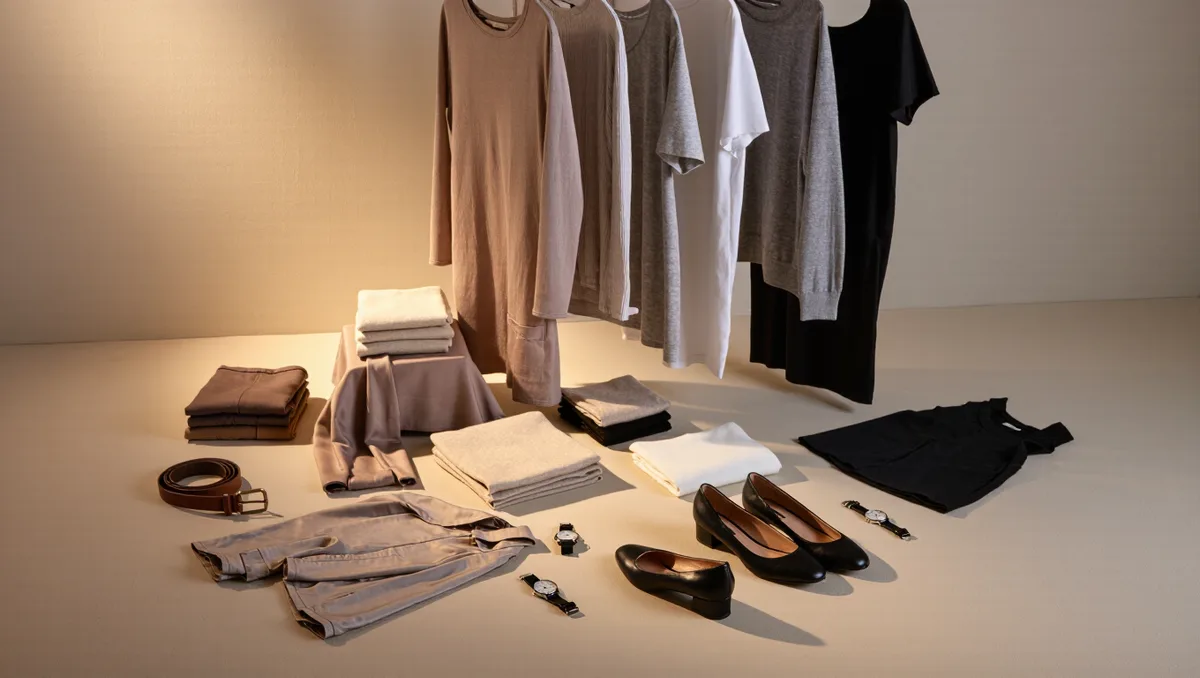
Thirty pieces, one system: how a small wardrobe earns its keep across work, weekends and everything between.
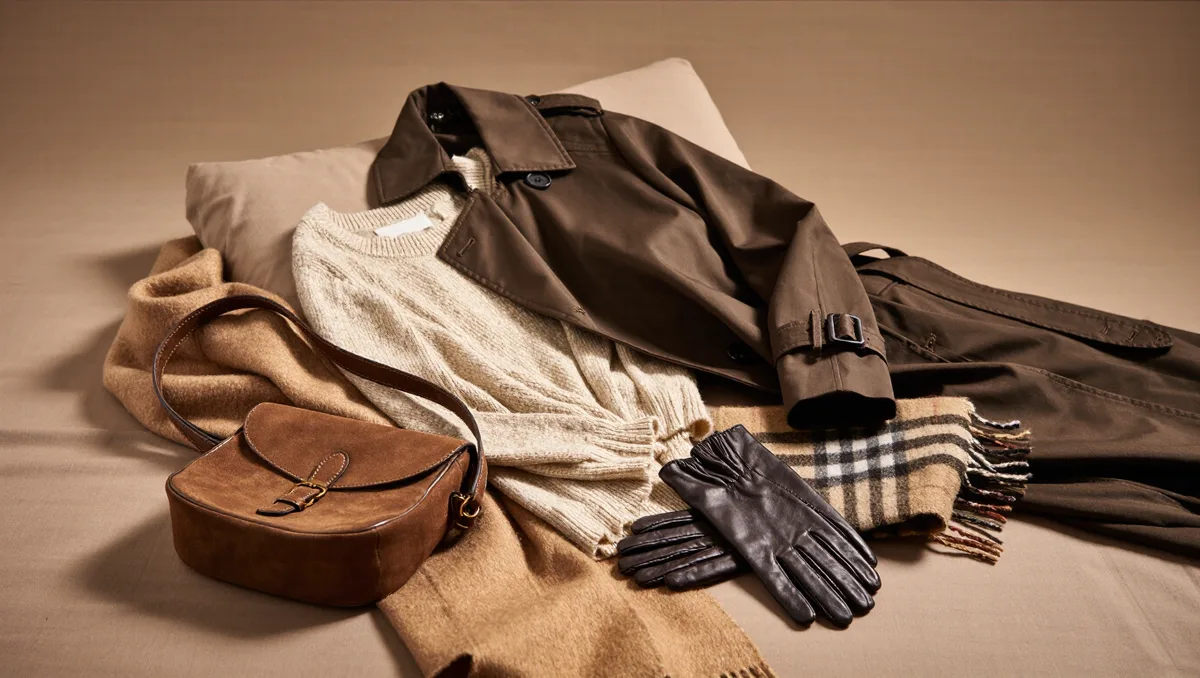
Texture does the work that padding used to. A working method for layers that read as styling, not survival.

A Prevention roundup of ten brands offers a working shortlist — and a lesson in how to build a routine that calms rather than strips.
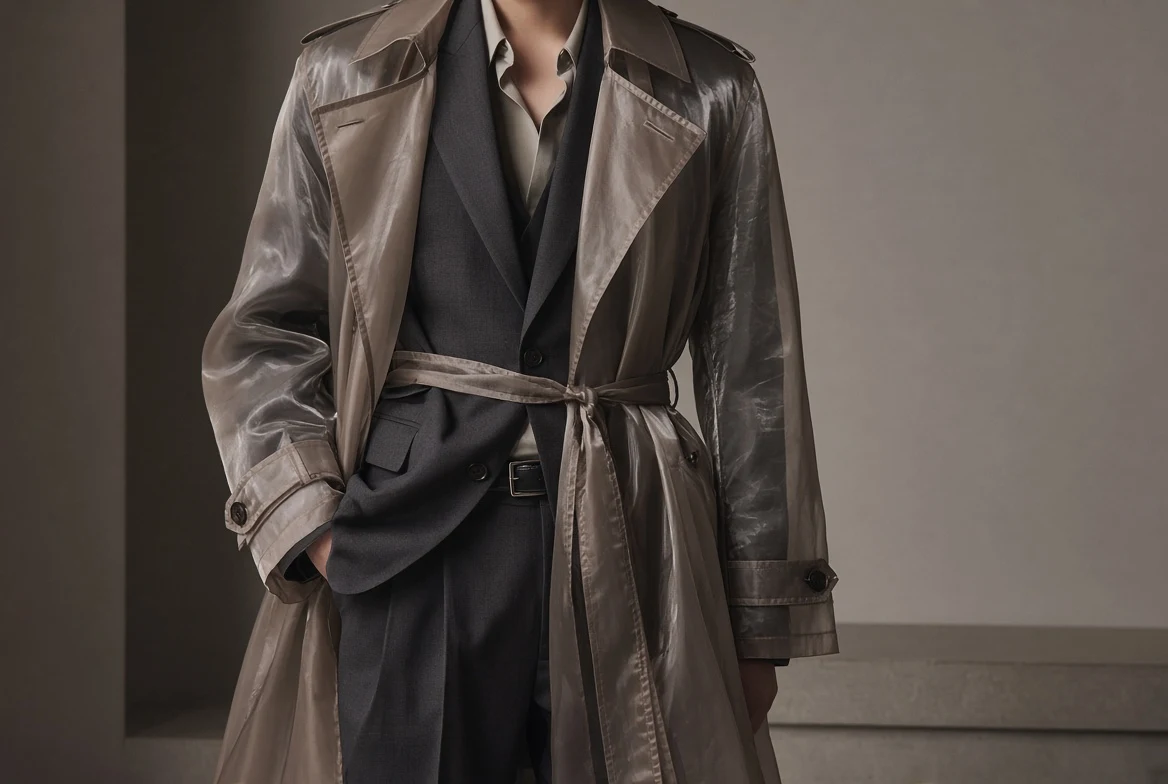
Named "Window Dressing" by Who What Wear's fashion-month trend report, transparency emerged as a season-defining idea at Tom Ford and Prada alike, though the two houses read it in very different ways.

Three jewelry pieces, one metal, one watch, one bag in a serious neutral: the minimal accessory system that makes simple outfits look decided rather than unfinished.