The evidence says hair oils split into two honest jobs: sealing moisture in and reducing protein loss out. Coconut oil leads on the second — a frequently cited Journal of Cosmetic Science study found it reduced protein loss in damaged and undamaged hair by up to about 39 percent when used pre- and post-wash, thanks to its lauric acid structure that slips inside the hair shaft. Mineral oil and sunflower oil, tested in the same research, lagged far behind. On the first job, sealing, nearly any oil works, because the point is a hydrophobic film on the surface. Everything else on the label — shine, growth, repair — is garnish until proven otherwise.
Scalp conditions such as seborrheic dermatitis, psoriasis or sudden hair shedding are medical territory and belong with a dermatologist, whatever the oil aisle implies.
What can a hair oil actually change?
Hair is dead tissue — there is no metabolism for an oil to stimulate, no follicle to reach from the outside. That single fact disciplines every claim. Oils act on the shaft: they smooth lifted cuticles, reduce the friction that turns brushing into breakage, slow water moving in and out of the cortex, and lend shine by flattening the surface light reflects from. A landmark review of natural oils by researchers Rele and Mohile, published in the Journal of Cosmetic Science, laid out the mechanics that coconut oil's lauric acid — linear, low molecular weight, with a strong affinity for hair proteins — penetrates the shaft while bulkier molecules sit on top. What oils cannot do is reverse split ends, wake dormant follicles, or change a growth rate set by genetics, hormones and diet.
Which oils do what — the honest table
| Oil | Proven strengths | Best use |
|---|---|---|
| Coconut | Cuts protein loss (~39% in the JCS study); penetrates shaft | Pre-wash treatment for damaged or frequently washed hair |
| Argan | High vitamin E and oleic acid; smooths and conditions surface | Finishing drops on damp or dry hair |
| Jojoba | Wax ester chemically close to skin sebum; light film | Scalp-friendly sealing; fine hair that hates weight |
| Olive | Heavy occlusive film; softens very coarse hair | Thick, coarse or textured hair, pre-wash only |
| Sunflower | Surface sealing; weaker penetration, per the same comparative study | Budget sealing layer, fine to normal hair |
| Rosehip | Light, fast-absorbing; marketed for ends; thin evidence | Finishing touch for flyaways |
How should oil be applied — and when?
Timing determines the job. As a pre-wash treatment, oil goes on dry hair 30 minutes to a few hours before shampooing; this is the method behind the traditional South Asian champi ritual and the configuration the protein-loss studies actually tested, because oil applied before water exposure limits the swelling and hygral fatigue that accompanies each wetting. As a finisher, one to three drops — emulsified between palms — go on damp ends after washing, sealing the cuticle the way a topcoat seals polish. Amounts matter more than brands: a teaspoon is a treatment, six drops is a styling product, and a palmful is a laundry incident.
Scalp oiling deserves its own verdict. A light jojoba or coconut massage once a week suits dry, tight scalps; heavy oil left on oily scalps for days at a time feeds malassezia, the yeast implicated in dandruff, and the American Academy of Dermatology lists oily scalp among its triggers. Oil the hair, not the scalp, unless dryness says otherwise.
Can hair oils repair damage?
No — and this is the sentence the category resists. Split ends are structural failure; no surface film welds keratin back together, and the only remedy for a split end remains scissors. Oils reduce the rate of new damage by cutting friction and protein loss, which is a genuine and measurable benefit, but it is prevention wearing repair's costume. Bond-building treatments work on a different, internal mechanism and are a different purchase. The oils that advertise reconstruction are selling a nice film and good marketing copy.
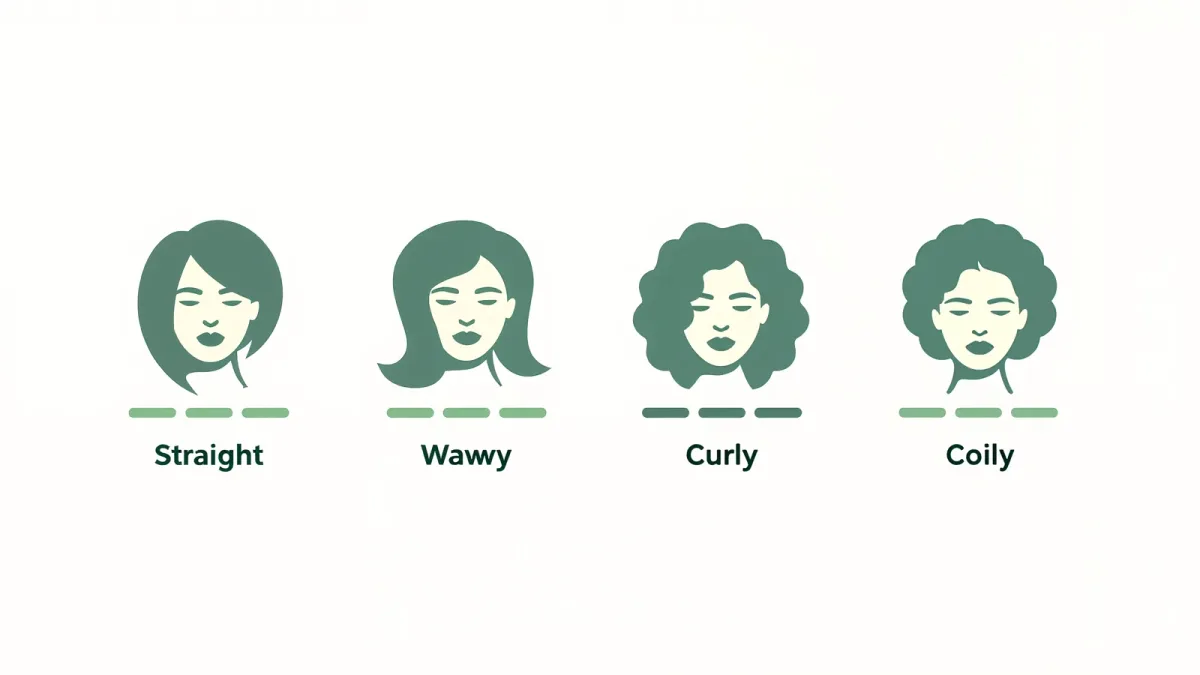
Which oil suits which hair type?
- Fine or oily hair: jojoba or a single drop of argan on ends only. Weight is the enemy; penetration claims are irrelevant at this texture.
- Thick, coarse or curly hair: coconut or olive as a pre-wash mask, plus a sealing drop on damp ends. Curly hair's sebum struggles to travel down the shaft, so ends run dry by design.
- Chemically treated or bleached hair: coconut pre-wash has the strongest published case, and frequency — weekly or after every wash — beats quantity.
- Very dry scalp: a light jojoba massage before washing, kept to the scalp itself, rinsed thoroughly.
The verdict: hair oils are sealants and shields with one standout performer in coconut oil's documented protein protection. Choose by job — penetration before the wash, film after it — apply in drops rather than glugs, and let scissors handle what chemistry cannot.
Do oil blends and silicone serums count?
The fine print broadens the field. Many bestselling 'hair oils' are actually silicone-heavy serums with a fractional share of argan or camellia — dimethicone and its relatives lay down an excellent smoothing film and shield against heat styling up to roughly 200 degrees Celsius, which is why stylists reach for them before blow-dryers. They seal superbly and penetrate not at all, so they belong on the sealing side of the ledger, used sparingly on lengths and ends and clarified occasionally with a thorough shampoo to avoid buildup. True single-oil treatments occupy the other shelf. Reading ingredient lists in order of predominance settles most of the marketing: if argan oil appears after four silicones, the bottle is a silicone serum with an argan accent. Neither option is wrong — they simply do different jobs, and the price rarely tracks the function.
How does climate change the oil question?
Environment adjusts the dose more than the choice. In dry or cold climates, oil's sealing job earns double weight — a drop on damp ends slows water escaping into heated air and calms the static that low humidity generates. In humid climates the risk inverts: too much oil combined with moisture in the air invites limpness and a heavy, coated feel, so applications shrink to ends-only and pre-wash treatments become the main event. Hard water adds its own tax, leaving mineral film that makes hair feel coated regardless of oil use, which is why a clarifying wash belongs in any regular oiler's monthly calendar. Oil routines are regional by nature — the amounts that make hair gleam in a northern winter can make it greasy in a coastal summer, and adjusting quantity costs nothing.