Culture
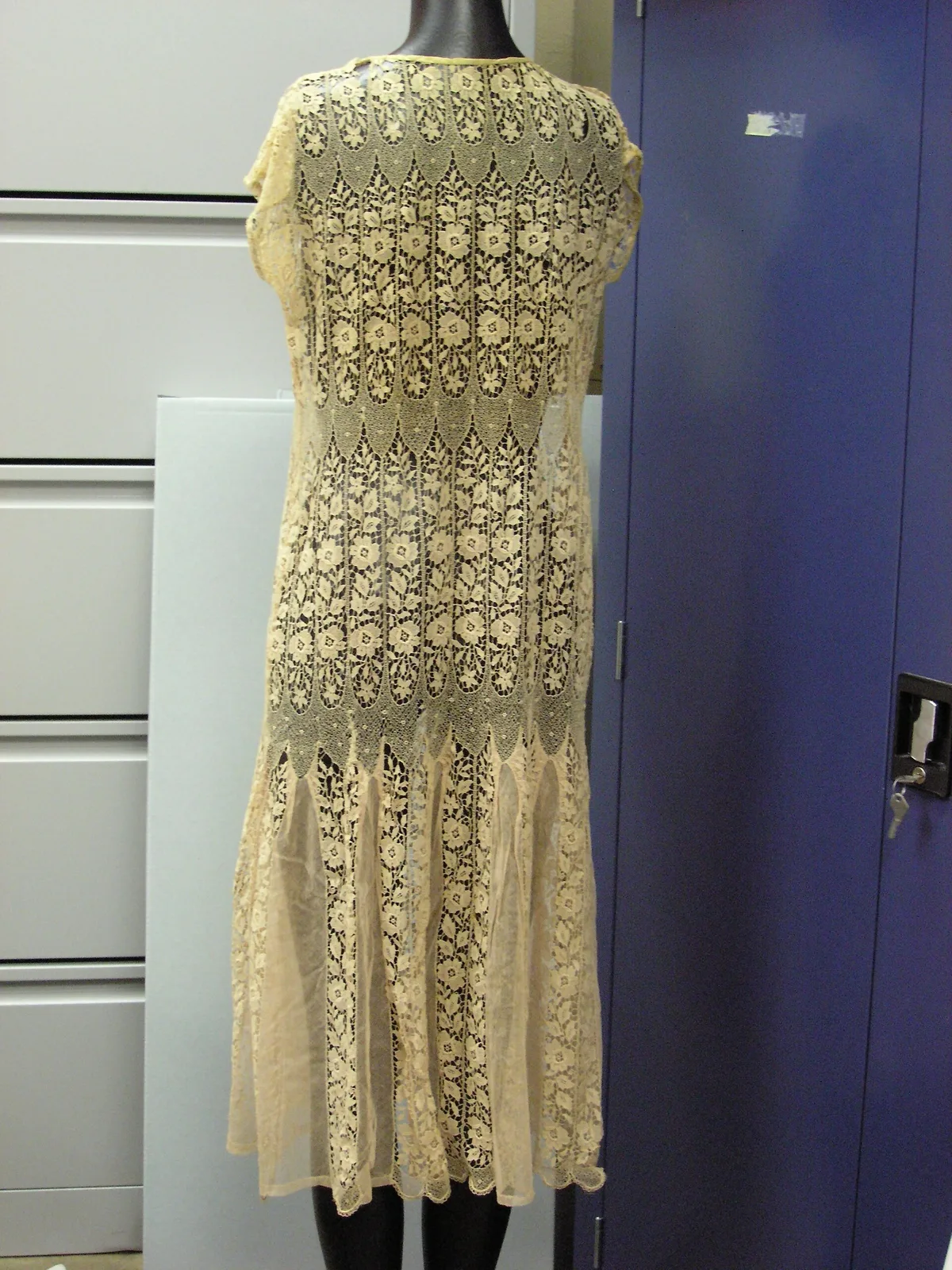
The Slip Dress Renaissance: Why Designers Keep Returning to Liquid Minimalism
From Princess Diana in 1996 to the 2020s revival, the slip dress keeps returning. How liquid minimalism became fashion's quiet perennial.
Culture is the reference desk at Noor: the films, records, television and exhibitions that keep surfacing in collections and campaigns. Pieces identify each source, date it, and explain why it came back around now. Read by people who recognize a borrowed image and want to know its origin.
From Princess Diana in 1996 to the 2020s revival, the slip dress keeps returning. How liquid minimalism became fashion's quiet perennial.
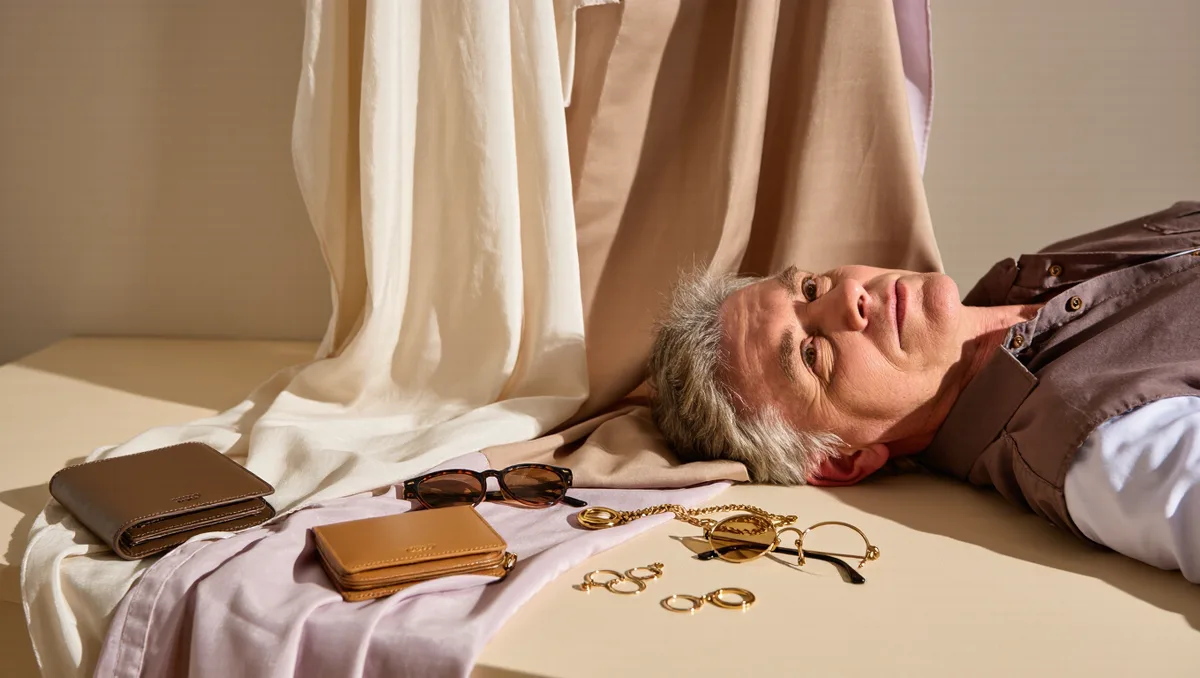
From subculture to suburb, a word's journey is faster than ever — and the mechanics behind it are older than the internet.
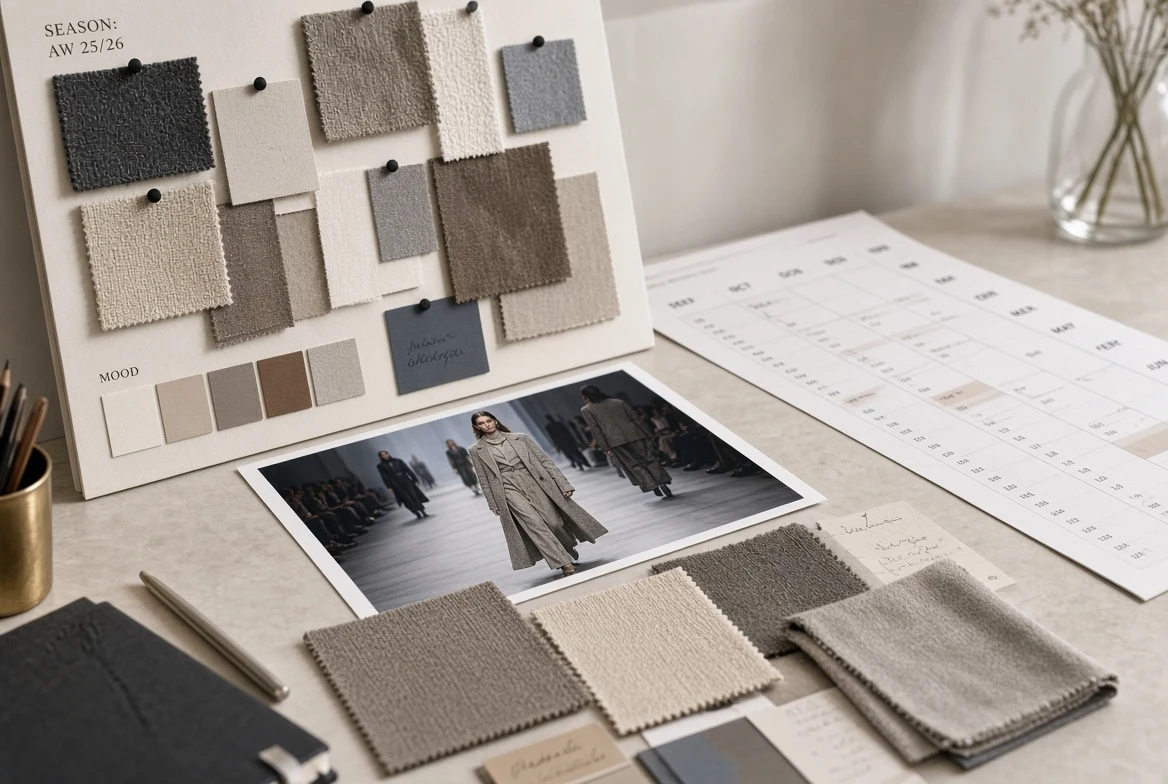
Before a look reaches the runway, it has already passed through research trips, scoring thresholds, and a timeline measured in years — here is how forecasters actually build the case for what comes next.
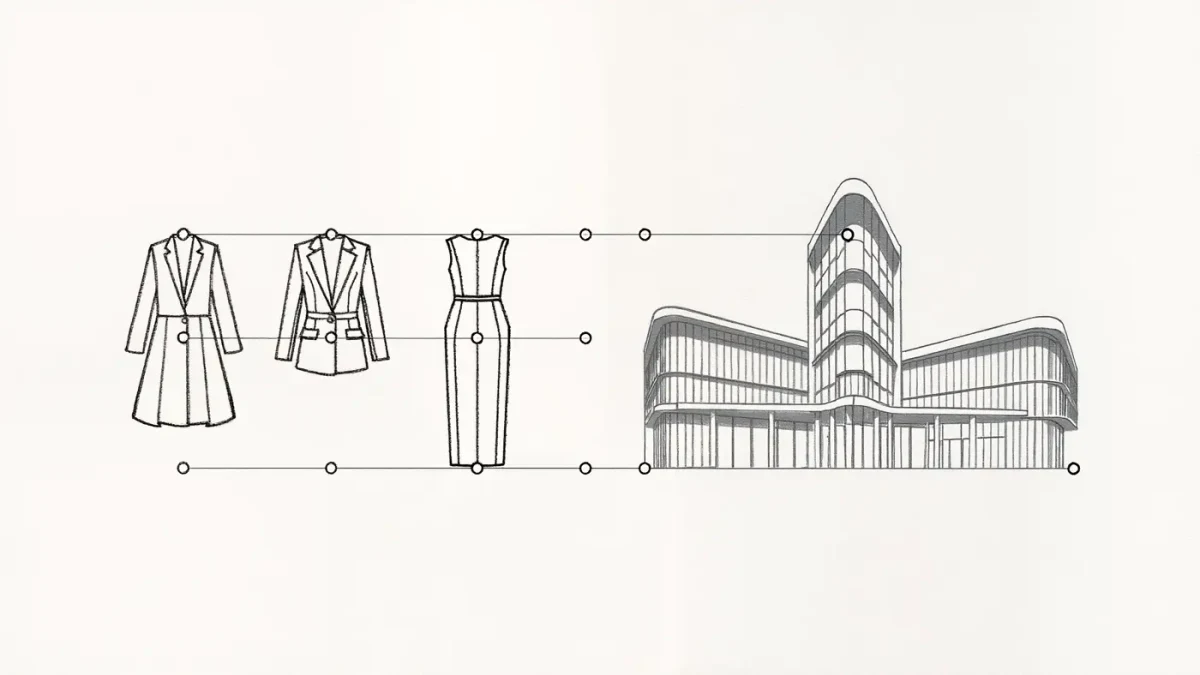
Gabrielle Chanel called fashion a matter of proportions, and the buildings agree: from Prada's Koolhaas epicenters to Armani's Ando theater, the two disciplines have traded structure for a century.
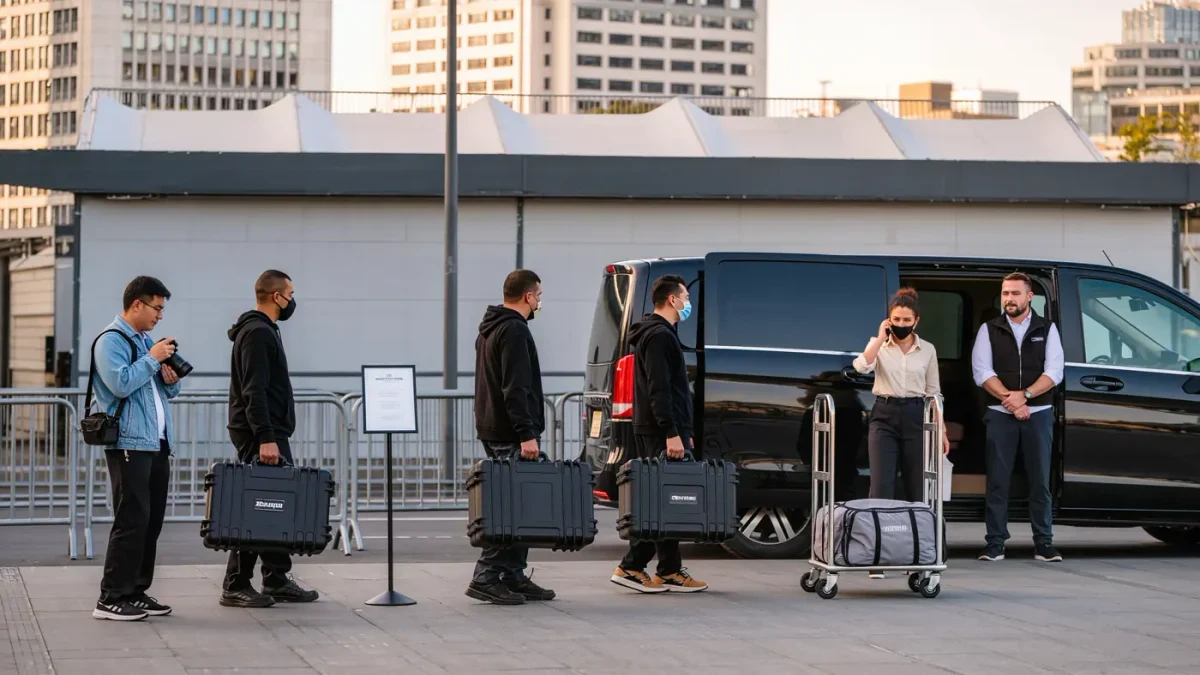
New York City's own development agency once put fashion week's annual impact above half a billion dollars — more than a Super Bowl — and the bill is split between hotels, venues, stylists and thousands of freelance hands.
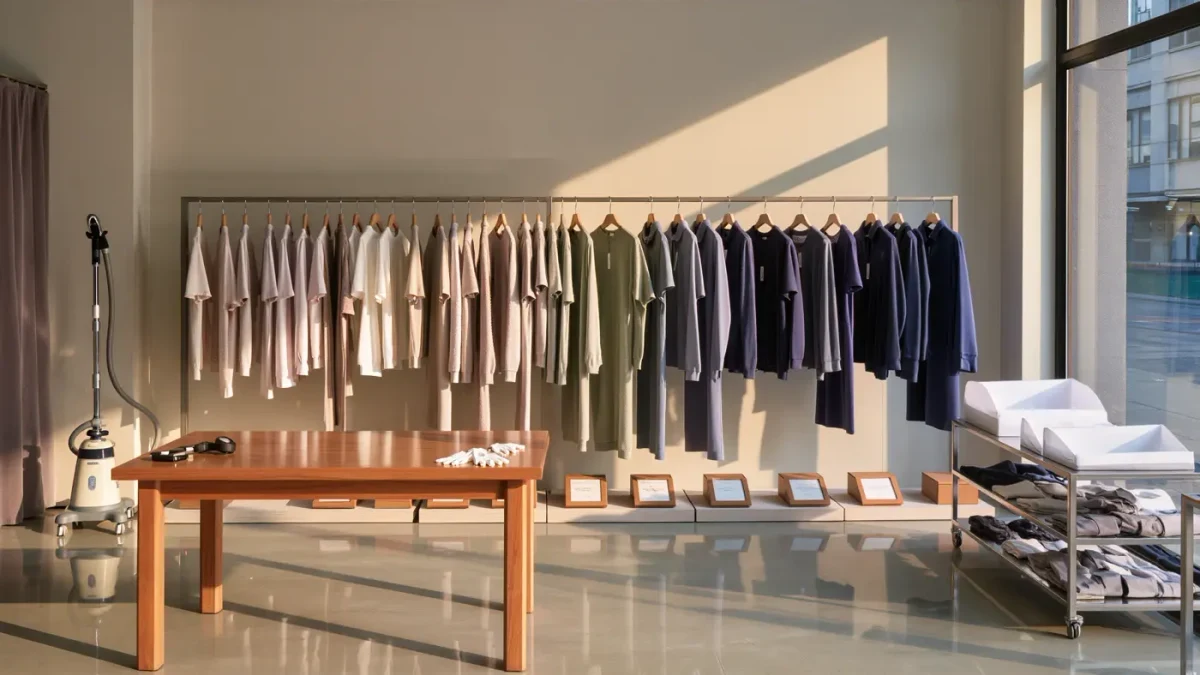
A dress can now be borrowed for one night and resold for more than it cost, and the secondhand market is projected to nearly double within the decade — ownership, fashion's oldest transaction, has quietly split into three.