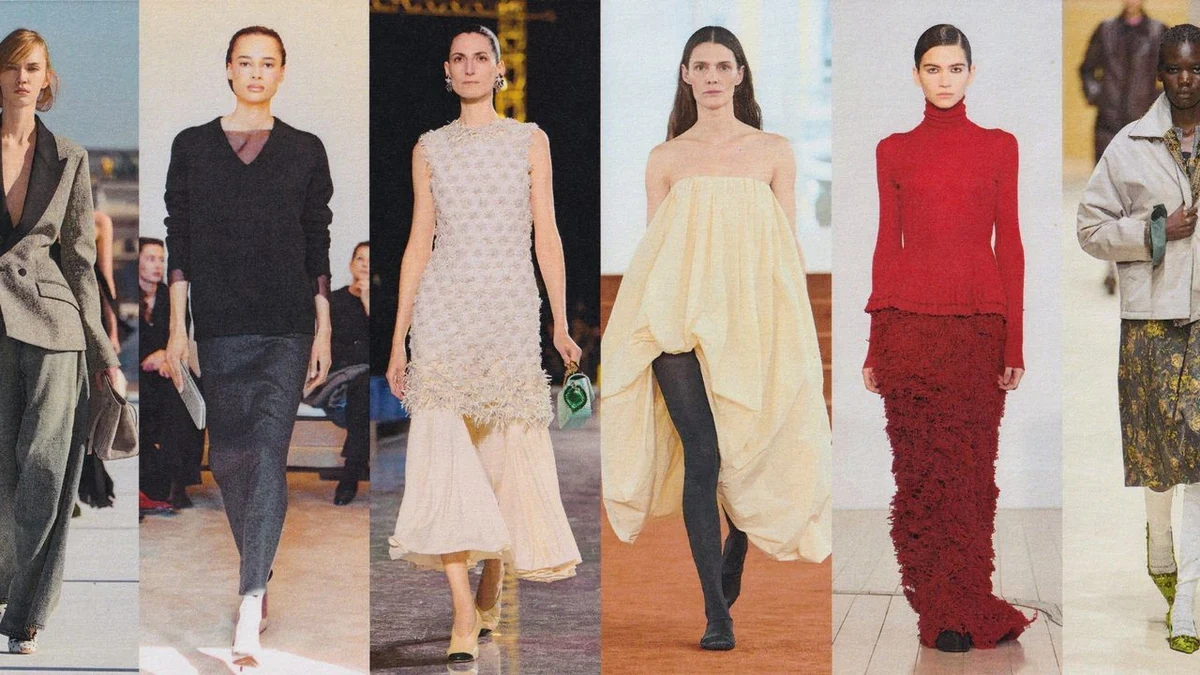
Quiet luxury works because it follows rules, not logos: fit first, natural fibers where possible, a restrained palette, and accessories that whisper rather than announce. The aesthetic — traced by fashion analysts to houses like The Row, Lemaire and Toteme and to their long runway runs through the 2020s — is assembled, not bought. Seven rules below turn that idea into a workable wardrobe, starting with the one that decides everything else.
What is quiet luxury, exactly?
Quiet luxury is the practice of signaling quality through construction rather than branding. No monogram, no logo hardware, no seasonal novelty — instead, precise tailoring, dense natural fabrics, and colors drawn from a narrow, personal range. The term itself entered wide circulation after the mid-2010s stealth-wealth moment and was reinforced by forecasts such as WGSN's long-running coverage of minimalist dressing, but the underlying method is older: it is the way unbranded tailoring has been judged in Milan and Tokyo for decades. The point is not austerity. Cashmere still counts, wool coats still count — they simply do not need to introduce themselves.
The distinction matters because it changes what a wardrobe is for. A logo-led wardrobe is a broadcast; a quiet luxury wardrobe is a private standard. The first devalues the moment the trend moves. The second compounds, because each well-fitting piece makes the others look better.
Rule one: fit is the entire message
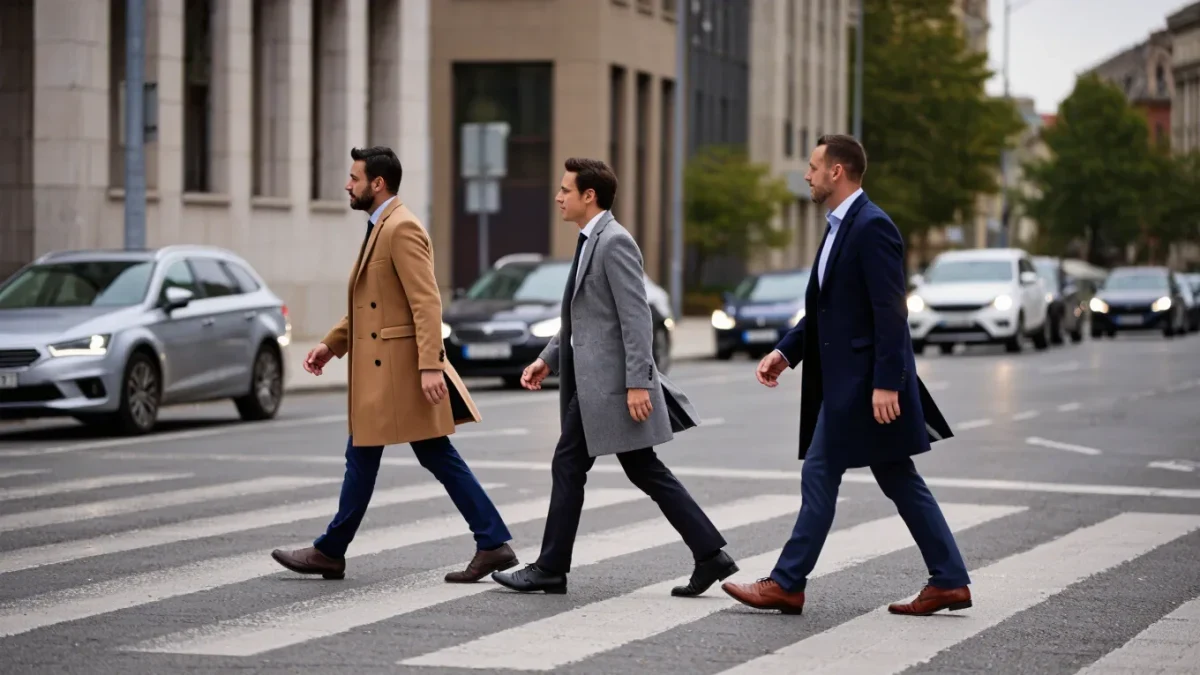
The single fastest upgrade in quiet luxury dressing is alteration, not acquisition. A mid-priced blazer with the sleeve shortened to expose half a centimeter of shirt cuff and the waist taken in two centimeters reads more expensive than an oversized designer piece worn off the rack. The eye registers proportion long before it registers fabric, and proportion is what alteration buys. Shoulder seams must end at the shoulder; trousers must break where intended, whether that is a clean break at the shoe or a deliberate cropped hem; coat shoulders must sit inside the natural shoulder line, not beyond it.
Practical translation: build a relationship with a local tailor and treat the alteration fee as part of the purchase price. A useful benchmark many stylists use is the ten-to-fifteen-percent rule — if a garment costs 200 dollars, up to 30 dollars of tailoring still leaves it a bargain compared with a 600-dollar equivalent worn unadjusted.
Rule two: fabric density over fabric fame
Quiet luxury is read largely through how cloth moves and holds light. Dense knits that resist pilling, tightly woven wool that keeps a sharp crease, cotton oxford with enough body to stand away from the chest — these are the tells. Fiber content is the honest label: wool, cotton, linen, silk and cashmere behave differently from their synthetics in drape and in aging, which is why the aesthetic's reference houses kept their fiber lists short even as prices rose across the industry through 2023 and 2024.
The budget version is straightforward. One heavy-gauge merino sweater outperforms four thin acrylic ones. A washed linen shirt in white or navy outlasts a season of novelty blends. Check the care label before buying: garments that demand dry cleaning after every wear are a hidden tax, while washable wool and cotton earn their cost back within a year of ordinary wear.
Rule three: the palette is narrow on purpose
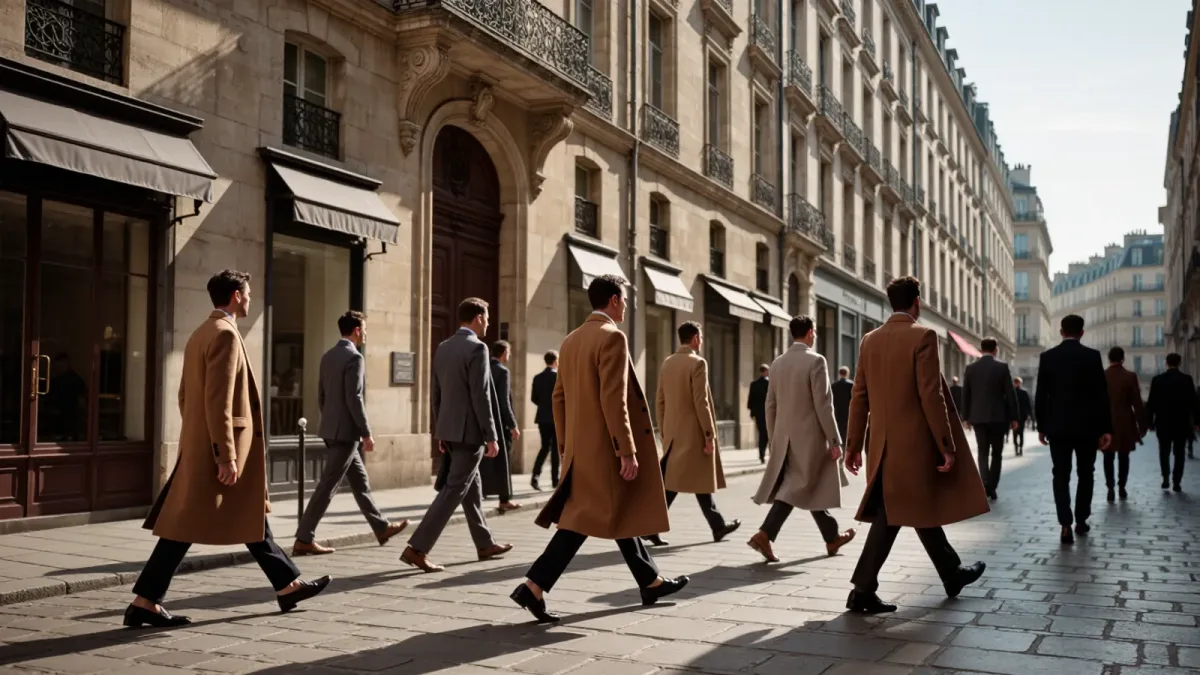
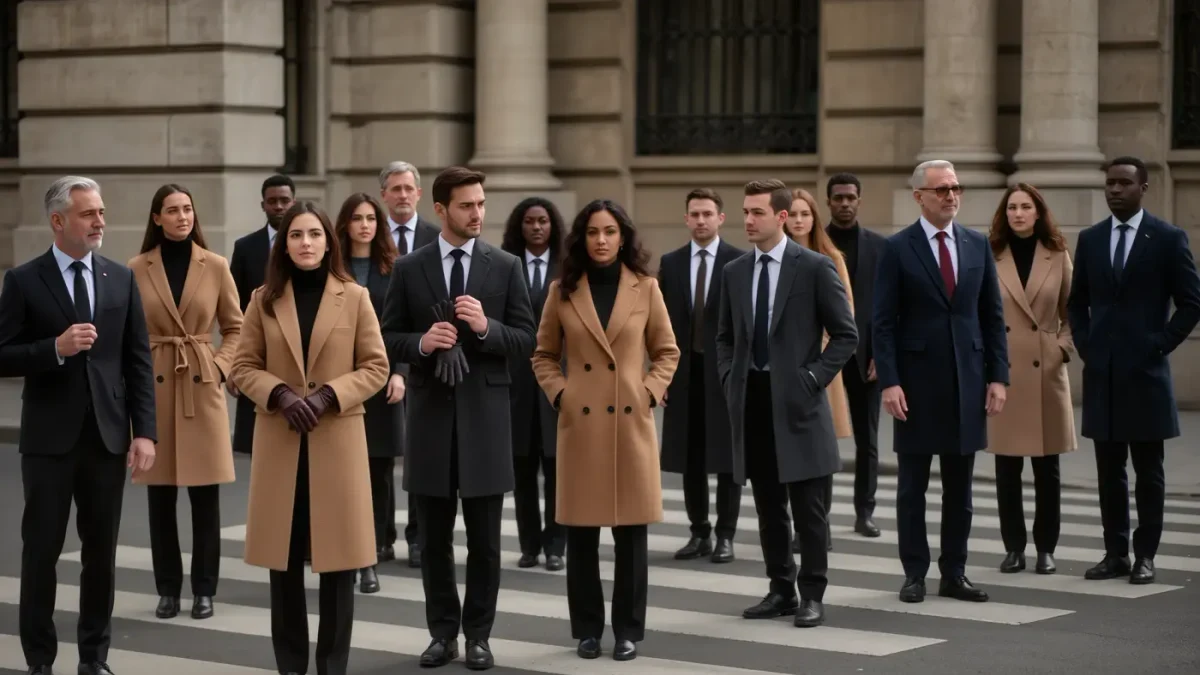
Most quiet luxury wardrobes run on roughly six colors: one dark neutral, one mid neutral, one warm neutral, white or off-white, and two muted accents. Camel, charcoal, navy, ivory and forest green recur season after season in the collections associated with the aesthetic because they combine without negotiation — any two pieces in the palette produce an outfit. The restraint is not timidity; it is what makes a small wardrobe behave like a large one.
The discipline pays off in maintenance too. Muted mid-tones conceal wear better than stark contrast colors, and a fixed palette means replacement is painless: when a piece wears out, the identical color re-enters without disturbing the system.
Rule four: structure carries casual clothes
The quiet luxury uniform that emerged across the 2020s — tracked in runway coverage from Paris and Milan by outlets such as Reuters' fashion and retail desk — pairs relaxed pieces with structured ones. A fine-knit polo under a precise blazer. Wide trousers with a pressed crease and a tucked tee. The lesson generalizes: at least one element of every outfit should be sharply made, because structure is what separates deliberate dressing from loungewear that wandered outdoors.
Rule five: accessories are few and architectural
One structured bag in a deep neutral, worn daily until it develops character. Leather shoes with a defined sole edge, resoled rather than replaced. Jewelry in a single metal tone, limited to two or three pieces per outfit. The quiet luxury accessory rule is count-based: if removing an item would not change the silhouette, it is decoration, and decoration is rationed. This is also where money is best withheld — an unbranded leather tote from a serious maker serves the aesthetic better than a loud flagship piece from a house famous for monograms.
Rule six: grooming and posture finish the look
Because the clothing stops broadcasting, the wearer's finish carries more of the message. Clean, simple hair; shoes without scuffs; a coat brushed of lint; hems that skim rather than drag. None of it costs money, all of it is noticed. In styling terms, grooming is the last alteration — the one performed every morning.
Rule seven: buy on a replacement cycle, not a trend cycle
The final rule is temporal. Quiet luxury wardrobes are maintained by replacement: when a core piece wears out, it is replaced with the best affordable version of itself. Trends are consulted the way a cookbook is consulted — occasionally, selectively, without rearranging the kitchen. This is why the aesthetic survived the stealth-wealth satire that surrounded it in the mid-2020s: its practitioners were never dressing for the discourse.
| Logo-led dressing | Quiet luxury dressing |
|---|---|
| Buys the seasonal statement piece | Replaces worn core pieces |
| Brand visible on the garment | Quality visible in fit and fabric |
| Wardrobe resets each trend cycle | Wardrobe compounds across years |
| Loud accessories as focal point | Structure and proportion as focal point |
Can quiet luxury be done on a budget?
Yes, and rules one through three do most of the work. An unbranded wool-blend coat, altered to fit, in the right neutral reads the part at a tenth of the reference price. Prioritize in this order: fit, fabric weight, palette discipline, and only then leather goods. The one false economy is shoes — resoleable leather footwear at a mid price beats disposable fashion shoes at any price, because nothing undermines the aesthetic faster than a tired sole.
How long does the aesthetic take to build?
Working wardrobes typically convert in two to four seasons of deliberate replacement rather than one purge. The realistic sequence: a season of alterations on existing pieces, a season of consolidating the palette, then targeted upgrades — one coat, one bag, one pair of shoes per year. The verdict, seven rules in: quiet luxury is not a purchase. It is a policy, and the policy is available to anyone.