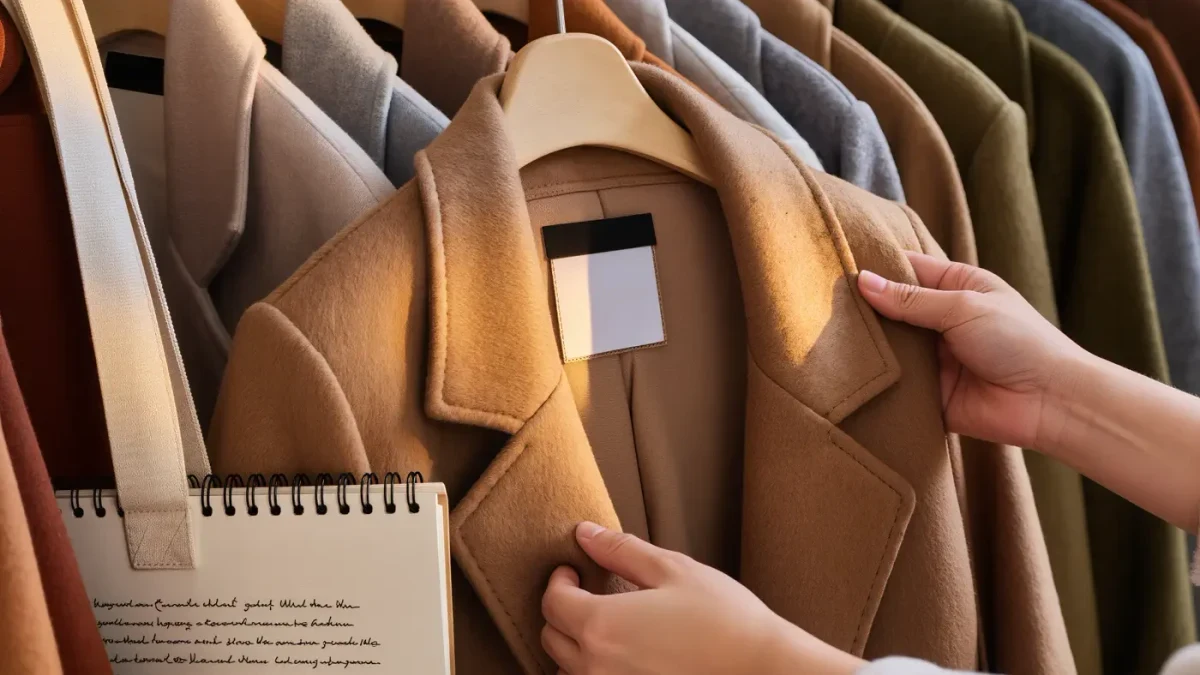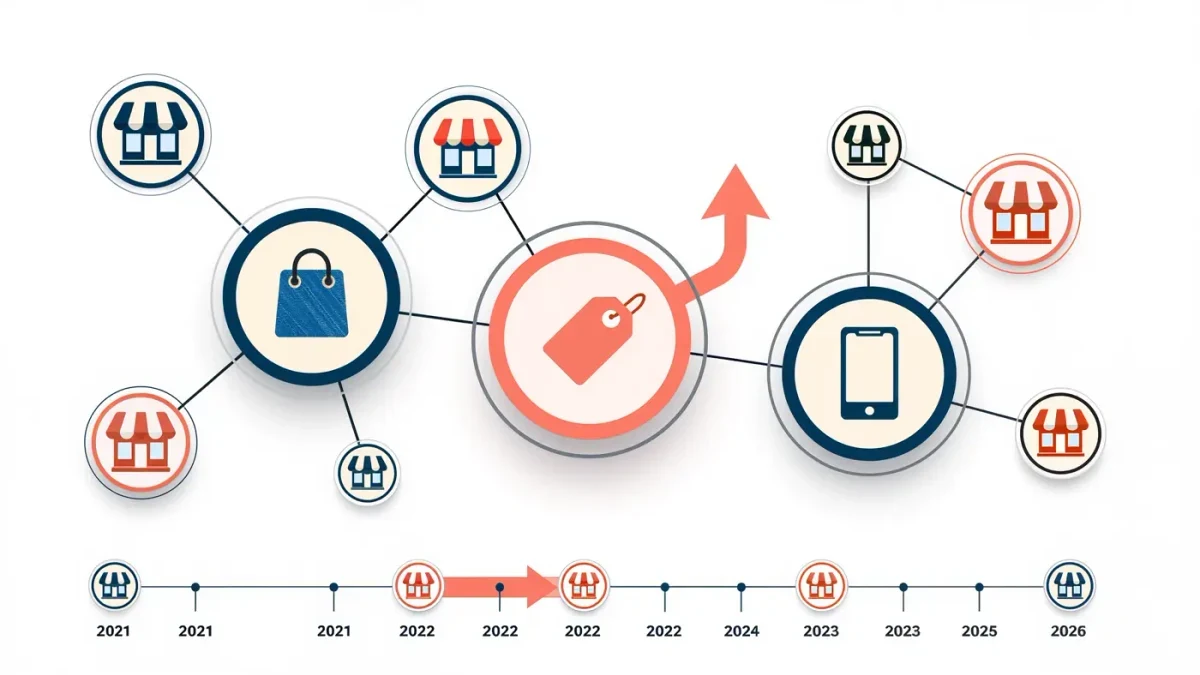
Rental and resale changed wardrobe ownership by splitting a single act into three: buying, borrowing and trading. The scale is no longer fringe — industry resale reports put the global secondhand apparel market at roughly 227 billion dollars in 2024, with projections toward 367 billion by 2029, growing several times faster than clothing sold at first retail. Rent the Runway, founded in 2009, normalized borrowing occasion wear by subscription; platforms like Vestiaire Collective and The RealReal professionalized trading up and down. The runway now ends in a rotating closet.
Why did renting a dress stop being strange?
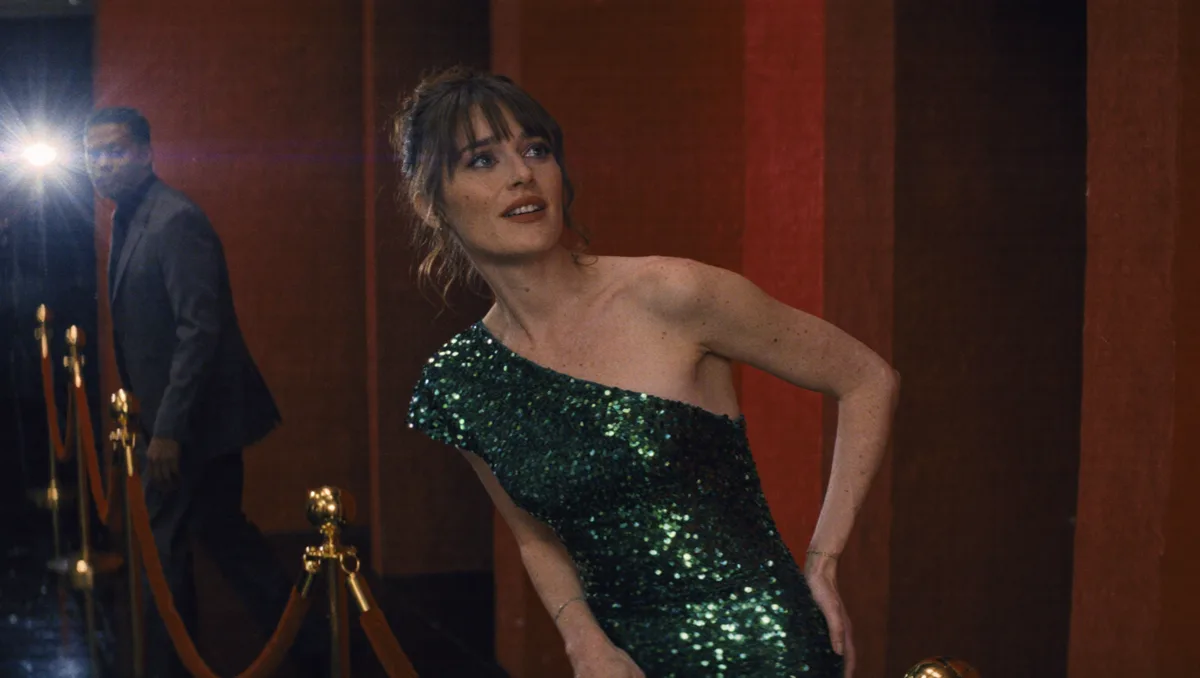
Because the math of occasion wear was always absurd. A gown worn twice a year at four figures per wear is a terrible unit cost, and Rent the Runway — started by Jennifer Hyman and Jenny Fleiss, public since its 2021 listing — built a business on correcting exactly that, renting designer dresses and later full wardrobes by subscription. The European market developed its own topology: peer-to-peer rental apps where individuals lend their own pieces, and specialist services that rent bridal and couture by the event. What changed culturally was the framing. Renting stopped signaling borrowed wealth and started signaling competence — the wardrobe equivalent of streaming instead of collecting DVDs.
How big is resale now, really?
Mainstream-scale, and measured annually. The United States secondhand apparel market grew double digits through the mid-2020s to roughly 53 billion dollars in 2024, with global figures near a quarter of a trillion, according to the widely cited resale report series; growth runs about three times faster than the broader apparel market. Infrastructure followed the volume: The RealReal authenticates luxury consignment at industrial scale, Vestiaire Collective built a European base, and Etsy's 2021 purchase of the Gen-Z marketplace Depop for about 1.6 billion dollars told every boardroom that re-commerce was a category, not a hobby.
| Model | What you pay | Best for |
|---|---|---|
| Buying new | Full retail price | Core pieces worn for years |
| Resale | Market price, often below retail | Archive pieces, denim, outerwear |
| Rental | A fraction per wear | Occasion wear and trend testing |
What does resale do to a brand's power?
It redistributes it. When a handbag's price is set by a marketplace rather than a boutique, the secondary market becomes a parallel pricing authority that houses cannot fully control — some brands quietly welcome it, because resale value proves quality, while others restrict supply precisely to protect it. The sophistication of authentication has become the arms race: serial checks, material forensics, in-house authentication centers employing hundreds. Luxury, built on the promise that value endures, now has that promise audited daily by public marketplaces. The uncomfortable result is transparency — a consumer can see exactly which models hold value and which evaporate, and purchase accordingly.
Is renting or buying secondhand actually the sustainable choice?
It depends on what it replaces. Rental's environmental accounting works when a garment serves dozens of wearers across its life, offsetting dry cleaning, shipping and packaging; its critics note that a rented dress flown overnight for a single event is not obviously greener than a purchased one worn for years. Resale's case is stronger and simpler: extending a garment's life displaces new production, the most carbon-heavy stage of the cycle. The honest framework is substitution — both models help only when they replace a purchase that would otherwise be made new, and do nothing when they simply add circulation on top of it. Sustainability, in the re-commerce era, is a question of what you did not buy.
What is garment lifetime doing to fashion's calendar?
Stretching it beyond the season. A garment that will be resold or rented must survive more than one owner's wear, and every link in the chain has adjusted: makers choose denser weaves and replaceable buttons, platforms publish condition-grading standards that reward well-kept pieces, and repair has returned as a priced service rather than a favor — reweaving a moth hole in cashmere, resoling leather boots, replacing a zip on a designer coat. Some houses now run their own buy-back and certified pre-owned programs, effectively admitting that a garment's life extends past the first receipt. The seasonal calendar has not disappeared, but it has been joined by a longer rhythm underneath it, measured in years of circulation rather than weeks of relevance. Editors still cover what is new; the re-commerce economy quietly asks the better question — what stays.
How did Gen-Z turn resale into identity?
By reframing the transaction as taste. For younger shoppers, the marketplace became a browsing destination in its own right — a place to develop an eye across decades rather than seasons, hunting archived designer pieces, defunct labels and one-of-one garments that no store could stock. The behavioral markers are distinct from older thrifting: resale is mobile-first, social and self-documenting, with users listing their own closets as carefully as they shop others', and apps built peer-to-peer trust with buyer protection and community ratings. Wearing secondhand carries none of the stigma it might have a generation ago; among the youngest cohort it often signals fluency in fashion rather than constraint of budget. Retail analysts treat this as the demographic lock-in of the re-commerce era — customers who learned to shop the archive first are unlikely to revert to full retail as their default, which is why the market projections compound so confidently. Ownership, for this cohort, is a phase; access is the habit.
Who loses from the rental-resale shift?
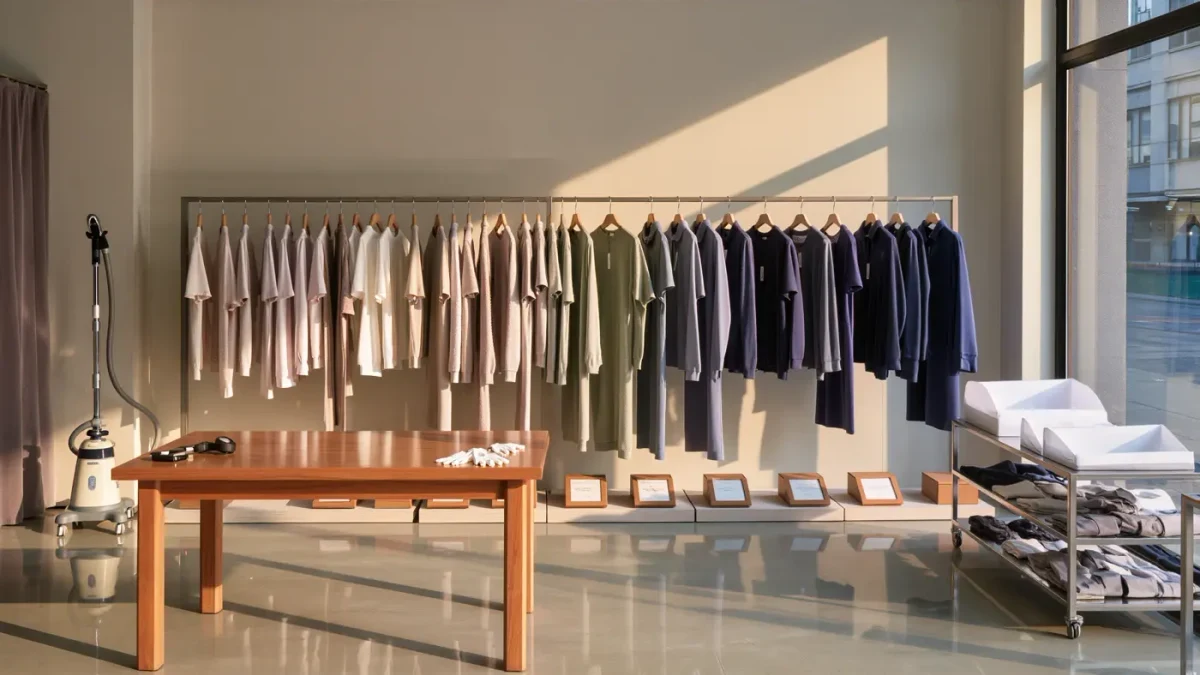
The middle. Mid-priced brands producing decent-but-undistinctive clothing are squeezed from both directions: their customers rent occasion wear instead of buying, and buy archived designer pieces secondhand at similar prices. Department-store logic suffers accordingly. Meanwhile the winners extend beyond platforms to a new service economy — authentication labs, repair and reweaving ateliers, professional steamers and re-commerce logistics — jobs that exist because garments now live longer, moving through more hands. Fashion's employment map is quietly rewiring around garment longevity, which is perhaps the deepest sign that the shift is structural rather than a cycle.
How should a wardrobe use all three models?
Assign each its proper job. Buy new only what you will wear beyond a hundred uses — outerwear, denim, shoes, the core. Trade in the secondhand market for everything with a documented archive: bags, coats, watches, the pieces that hold value. Rent the extremes — black tie, weddings, one-season experiments — and let someone else's closet absorb the depreciation. The verdict, seventeen years after the first rental subscription: a wardrobe is no longer what you own. It is what you have access to, curated across three systems at once.