The conversation around spring 2026 fashion trends is already running, and the honest starting point is this: a trend only matters once it can be translated into clothes a person already owns. Vogue keeps a running edit of the season's trends alongside its market picks, and the pattern across that coverage is consistent — the interesting move this year is not a single silhouette but a looseness of proportion, worn with fewer, better accessories.
That is the verdict this piece works from. The evidence for any given trend lives in the collections and in buyer reporting, and where the evidence is thin, the right response is a smaller wardrobe adjustment, not a shopping spree. What follows is a reading guide: how to spot which of the season's ideas will actually suit the clothes hanging in your wardrobe, and which ones will age badly by autumn.
What is actually moving this spring, and on whose evidence?
Season coverage this year leans on two kinds of evidence. The first is the runway record — what designers sent out and how it differed from last season. The second is the market edit: what editors and buyers are actually choosing to stock and wear. Vogue's trends coverage, for example, pairs its seasonal reporting with a market director's shopping list and an under-$300 edit of contemporary and high-street finds, which is a useful signal in itself: the trends being flagged are ones the market expects people to buy at ordinary prices.
Read those two streams together and a season comes into focus. A detail that appears on the runway and then shows up in a buyer's edit has a real chance of lasting past one season. A detail that lives only on the runway usually has a shorter life — beautiful, sometimes worth admiring, rarely worth a full price tag.
Which proportions are worth adjusting first?
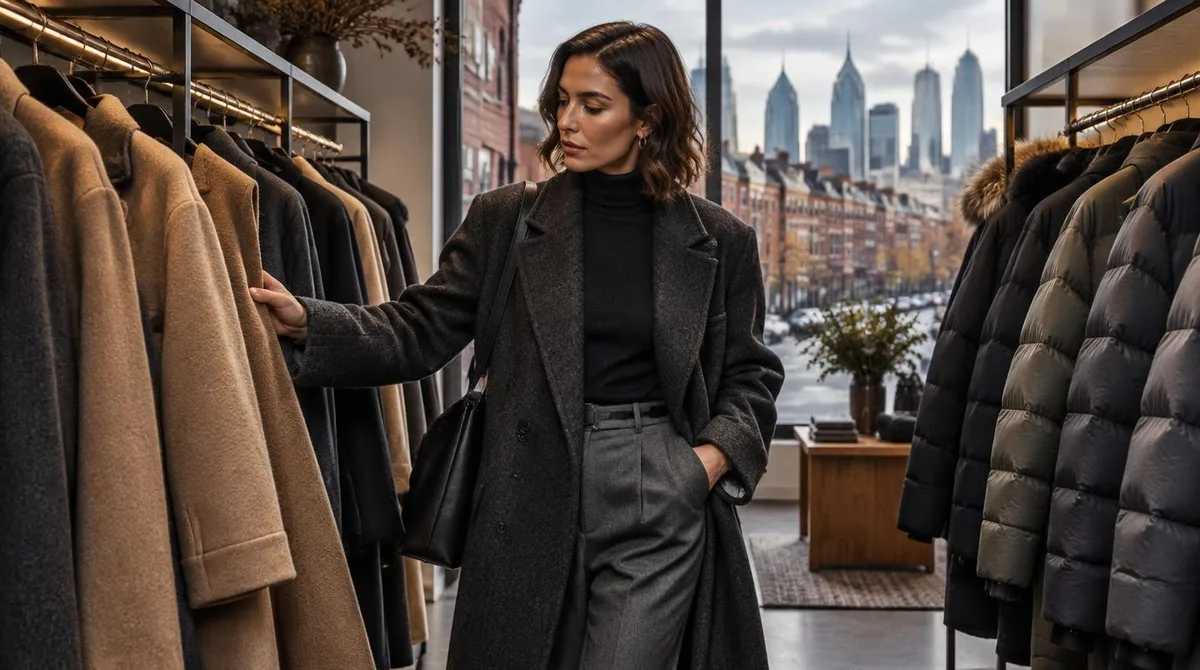
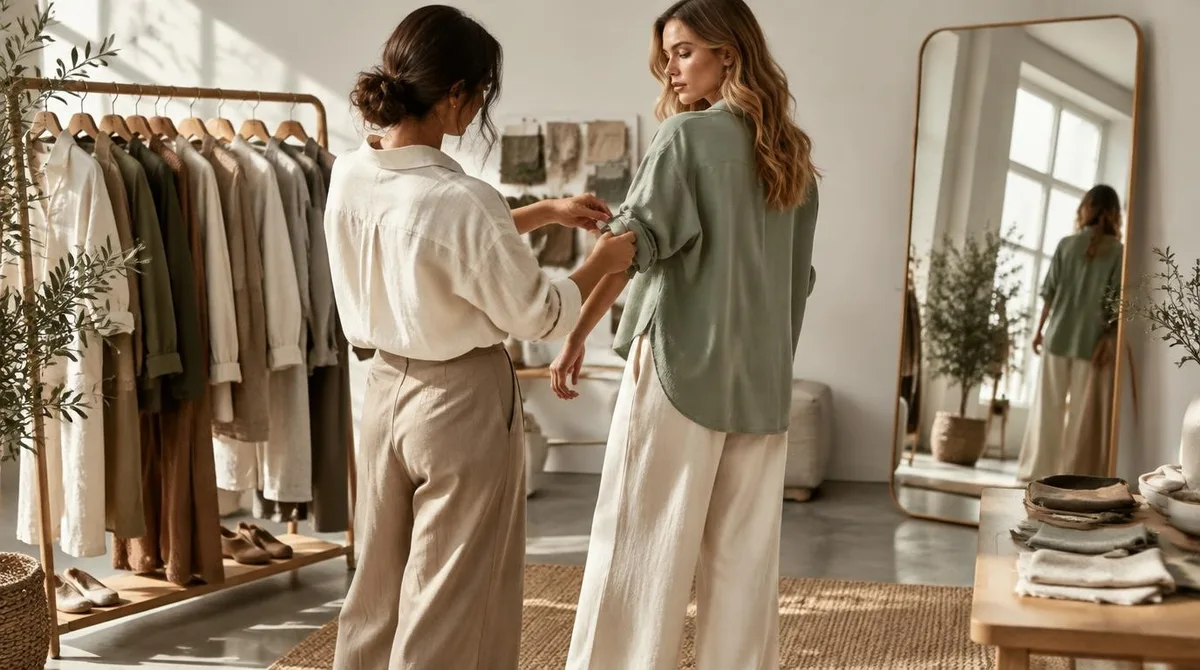
Proportion is the cheapest trend to adopt, because it asks for styling rather than spending. The season's looseness — longer hem lines, softer shoulders, roomier trousers — can be reached with moves already covered in The Tuck, the Roll, the Cuff: Small Moves, New Silhouettes: a front tuck to reset a waistline, a cuff to shorten a heavy hem, a roll to sharpen a sleeve. None of it requires a purchase.
The same logic applies to bags. A smaller, higher-slung bag changes the line of an outfit more than most new garments do, which is the whole argument of Belt Bags to Briefcases: Choosing the Right Bag Proportion. If the season reads softer and longer, the accessory that matches it is one that sits close to the body rather than swinging wide.
How do you adopt a color trend without repainting the wardrobe?
Color is where trend adoption goes wrong most often. A shade that flatters a runway model under show lighting can be unkind in daylight on a different skin tone. The durable approach is to test a seasonal color against what is already known to work — the framework in The Best Colors to Wear, Based on Your Skin Tone — and to bring a new shade in through a small piece first: a scarf, a knit, a sock. A scarf earns its place here; Scarf Styling Guide: Nine Ways One Rectangle Rewrites an Outfit shows how much a single rectangle of seasonal color can do.
The honest note on what ages badly: trend colors bought as large, structured pieces — a coat, a suit — tend to date fastest. Trend colors bought as accessories or knitwear tend to fold back into an existing wardrobe without complaint.
What this means for a capsule wardrobe
Our analysis of the season, taken from the market coverage above, is that spring 2026 rewards the person who edits rather than expands. The capsule approach in Capsule Wardrobe Guide: Fewer Clothes, Better Outfits absorbs a trend by subtraction: remove the piece that fights the new proportion, and the remaining clothes read current without a single new purchase. A white shirt is the classic example — White Shirt Styling Guide: Ten Ways to Wear the Wardrobe's Hardest Classic shows one garment carrying several of the season's moods at once.
Care matters here too. A trend adopted through better-made pieces only pays off if those pieces last, which is the practical case made in How to Make Clothes Last Longer: How to Care for Your Clothes So They Last for Years.
What should you skip, and how do you know?
Three tests sort a lasting trend from a passing one. First, the two-source test: does the idea appear both on the runway and in a buyer's edit, as described above? Second, the wardrobe test: name three outfits you already own that the piece would join. If you cannot, it is not a trend for you, whatever the coverage says. Third, the September test: imagine wearing it in six months. A trend that only works in one season's light and temperature is a rental, not a purchase.
Sheer is the season's cautionary example. The fabric reads dramatic on a runway and demanding on a commute; the layered approach covered in Sheer Layering Takes Command: What Fall 2026 Runways Revealed is the wearable version, and it works precisely because it borrows structure from clothes already owned.
What the evidence established: the season's direction is looser, softer and more proportion-driven than logo-led, and the market edits confirm it is meant to be worn at ordinary prices. What remains unknown, as always at this point in a season, is which specific details will still be in the shops by autumn — which is exactly why the styling-first approach above costs less to be wrong about.