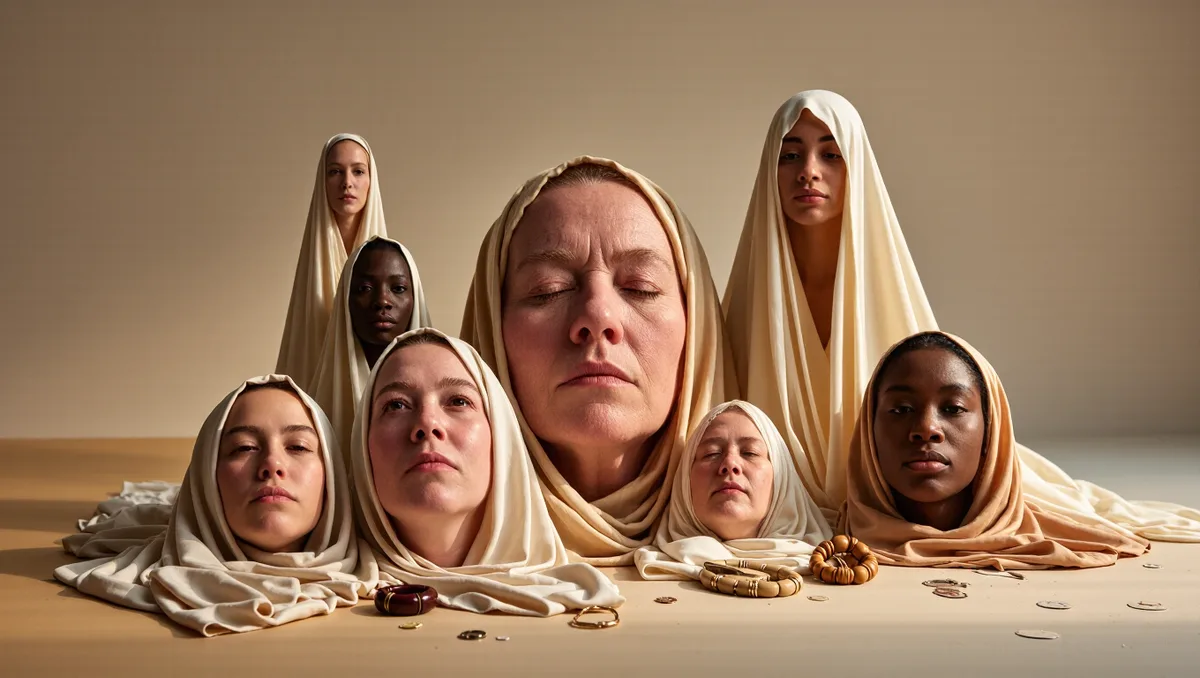
Fashion week is not a crystal ball. It is a set of signals, and the useful ones are easy to miss under the front-row noise. The spring/summer 2027 season, as covered by Hello! Fashion, ran from New York through London and Milan to Paris, with Dior, Chanel and Balenciaga anchoring the Paris calendar and Burberry closing London. Read those weeks in order and a picture of next season starts to form.
The trick is translation. A runway look is an argument, not an outfit. A show says a house believes in a silhouette, a colour, a mood. What reaches your wardrobe is a diluted, wearable version of that argument, usually a season or two later. This guide explains how to bridge that gap, and which signals are worth your attention.
What is fashion week actually for?
At its simplest, it is a wholesale appointment that became a media event. Designers show a collection months before it lands in stores so that buyers can order it and press can frame it. The clothes on the runway are often exaggerated: a sleeve blown up, a hem pushed to an extreme. The exaggeration is the message. The store version, adjusted for real life, arrives later.
That is why a runway look should be read as a direction, not a garment. When a colour or a cut appears across several houses in one season, that repetition is the real signal. A single dramatic look is theatre. Consensus is the trend.
Which signals matter most?
Three carry the most weight. The first is repetition across different houses and cities. When the same idea shows up in New York, Milan and Paris, it has momentum. Hello! Fashion's coverage of the SS27 season, for instance, tracked fringe and florals from New York, then sheer and sleep-chic styling from London, then a cherry-red hue taking over the catwalks in Milan. One colour, three cities, one story.
The second signal is street style outside the shows. Editors and stylists dress for the cameras, so the street is a live test of what feels wearable now, not next year. It is the bridge between the runway and the high street.
The third is the retail response. If a trend reaches the shops quickly and sells, it has legs. If it stays a runway curiosity, it was a mood, not a trend. Resale platforms and search data, when they surface, are useful checks on this. Readers following this should also see ASICS Rules Resale: StockX Data Shows Running Shoes Led 2025.
How do you separate spectacle from signal?
Ask a blunt question: could a real person wear a version of this next season? A gown built for a moment under the lights may still point somewhere. A sheer dress shown over lingerie, as London's SS27 collections did with their sleep-chic strand, translates into a slip layered under a jacket. The extreme version is the headline; the wearable version is the product.
Also watch what recurs in accessories. Bags and shoes are where houses put commercial weight, because that is where customers spend. A repeated bag shape across a season is a stronger buy signal than any single look.
Why does the show order matter?
New York opens with commercial, wear-first collections. London brings the risk and the new names. Milan delivers the polish and the colour story. Paris closes with the houses that set the global agenda. Reading the weeks in that order lets you see an idea travel: introduced in New York, sharpened in London, refined in Milan, ratified in Paris.
The SS27 season followed that shape closely. Hello! Fashion noted McQueen back on home turf in London and a Paris week packed with Dior, Chanel and Balenciaga. When the biggest houses echo a smaller brand's idea, the trend has been confirmed at the top of the market.
What this means for your wardrobe
Practical steps, in order. First, wait for the consensus: one house is not a trend. Second, look for the wearable translation, usually an accessory, a colour or a simple cut. Third, check whether the high street has picked it up, because that is where the runway idea becomes affordable. Fourth, buy the version that fits the clothes you already own. A cherry-red bag, on the SS27 evidence, does more work than a head-to-toe look.
And keep expectations modest. Most runway ideas never reach most wardrobes. The value of fashion week is not that it tells you what to buy tomorrow. It tells you which direction the whole market is leaning, months before the shops confirm it.
What fashion week cannot tell you
The runways say nothing about price, fit or how long a trend will last. They also say nothing about what will suit you. A season's story is a menu, not an instruction. The evidence a fashion week establishes is narrow: what a set of designers chose to make, and what the industry chose to amplify. Everything after that is your call.
The closing takeaway: treat each season's shows as a set of clues, cross-check them against the street and the shops, and let repetition, not spectacle, make the case. That is what fashion week really tells us about next season, and it is enough.