Owning a luxury bag now includes the right to change it — at least in South Korea. Per Korea's Supreme Court, in a ruling issued on February 26, 2026, modifying trademark-bearing goods at a customer's request for personal use does not constitute trademark infringement. The decision overturned two lower-court judgments and ended a four-year legal fight between Louis Vuitton and a small Seoul repair business.
What was the case actually about?
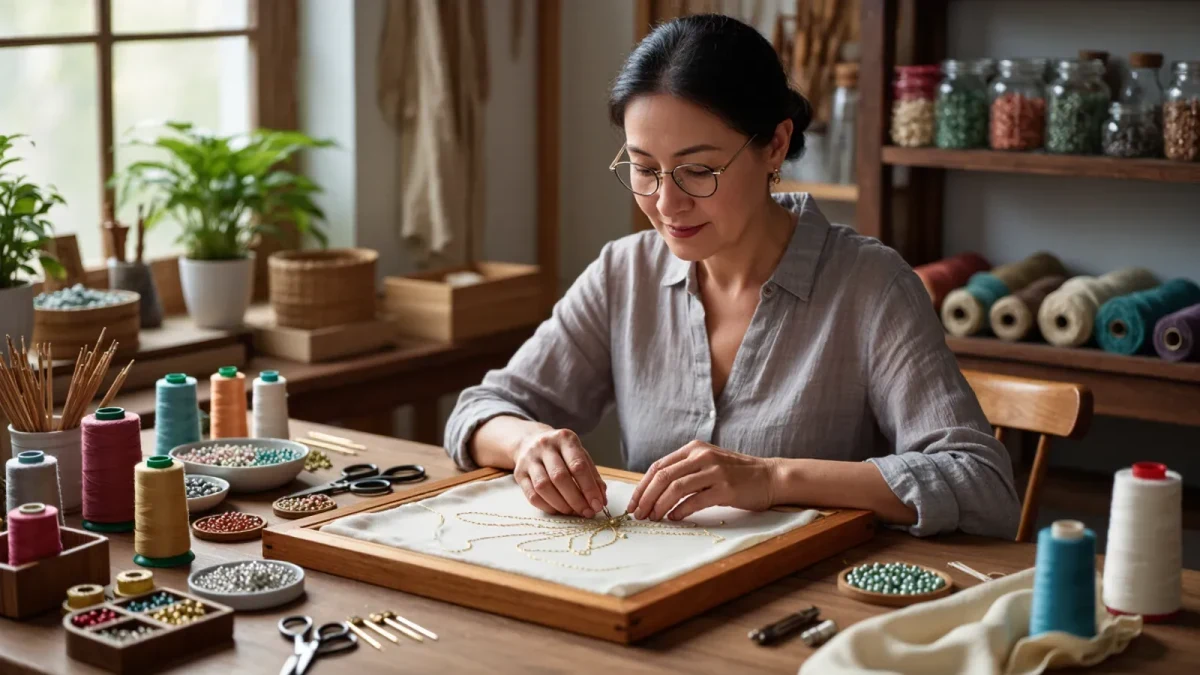
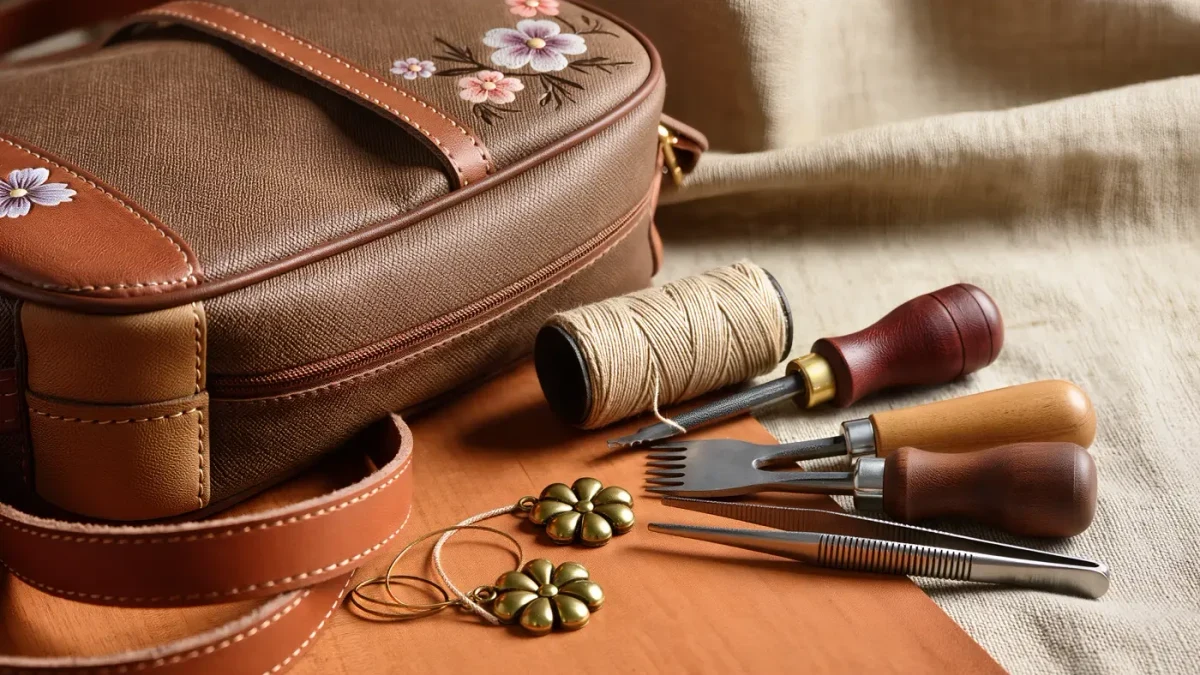
The defendant ran an independent repair and "reform" service in Seoul, customizing authentic Louis Vuitton bags per owners' requests. In February 2022, the maison sued for trademark infringement and damages; the trial court ordered roughly 15 million won — about 10,000 US dollars — in damages, reasoning that refashioned bags became "new products" that retained independent commercial value and made fresh use of the LV marks, per The Fashion Law.
Korea's top court, sitting in its second division, rejected that logic. The alterations, it held, do not amount to "trademark use" under the Korean Trademark Act, because the marks are not being used to indicate the source of new goods. The ruling establishes a right to repair and modify lawfully purchased authentic items — the first such explicit recognition in Korean trademark practice.
Where exactly is the new legal line?
On commerce. Personal customization is protected; selling refashioned goods is not, and brands retain recourse when altered pieces enter the resale market. The distinction mirrors the first-sale doctrine long recognized in United States trademark law, under which a lawful owner's resale or modification of a genuine article generally falls outside the mark holder's control unless consumer confusion enters the picture.
The detail most coverage skipped
The ruling was issued by the court's second division and functionally converts a 15-million-won judgment into zero — but its bigger effect is on the customization studios that paused their reform services while the case was pending. An entire micro-economy of upcyclers, charm makers, and monogram painters operated in legal gray space for four years; per Korea JoongAng Daily, the decision effectively reopens it for personal-use work.
Why this matters for the season ahead
Upcycling has moved from subculture to storefront, and this is the first supreme-court-level clarification in Asia's most customization-obsessed luxury market. Expect Korean reform studios to resume advertising LV renovations openly — and expect maisons to respond the way they always do when personalization escapes their control: with official customization services of their own, priced accordingly.