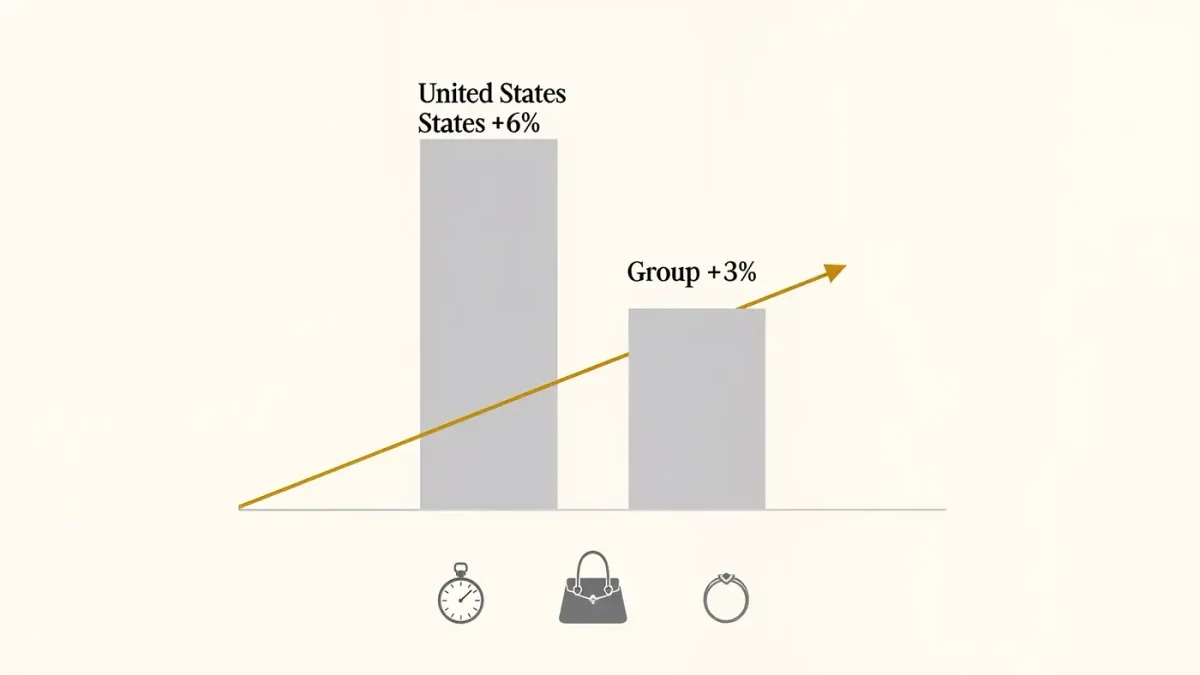
Hermès grew — just not as much as the market had learned to expect. Per Reuters, on April 15, 2026, the house reported first-quarter revenue of 4.1 billion euros, up 6 percent at constant exchange rates, with currency-adjusted sales rising 5.6 percent — below analyst consensus. Shares fell on the miss, dragging Kering down with them, as geopolitical disruption weighed on the luxury sector's uneven recovery.
How slow is 5.6 percent, really?
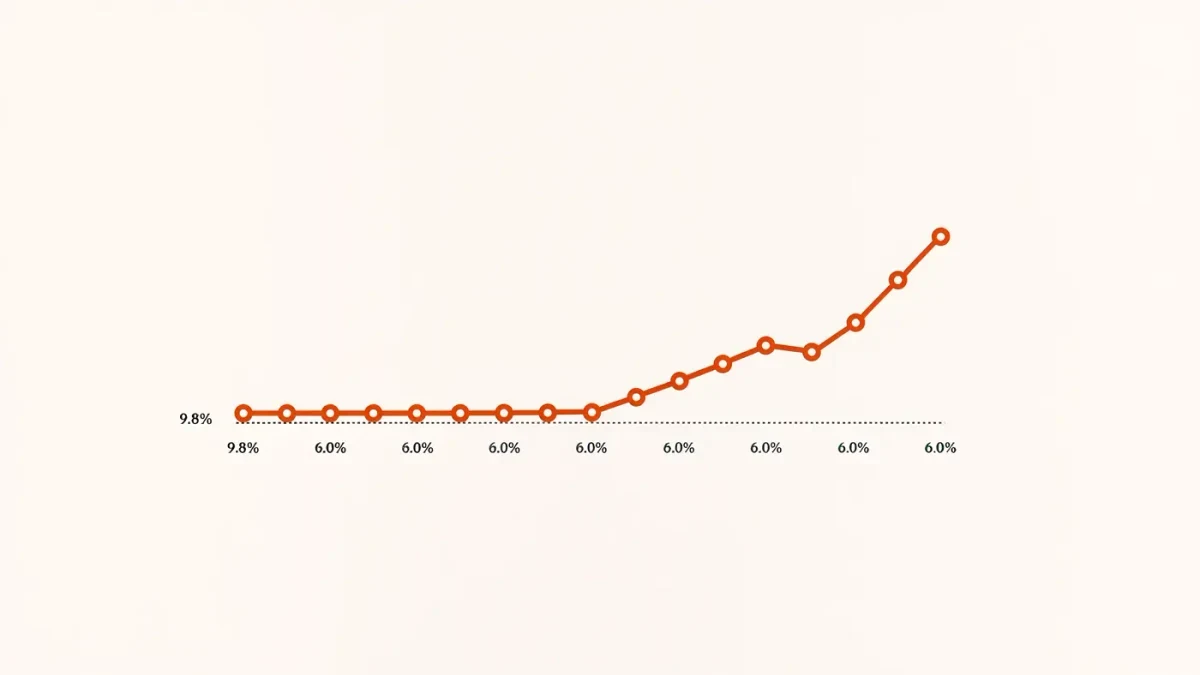
Context is everything. A mid-single-digit gain would be a triumph for most fashion businesses; for Hermès, the company that posted 9.8 percent fourth-quarter growth in February, it reads as deceleration. The mechanics matter too: per the company's disclosure, roughly 300 million euros of currency headwind pushed reported revenue down about 1 percent at current rates even as underlying demand held. The growth engine — handbags, silk, perfume per Reuters — kept running; the exchange rate simply taxed the receipt.
What does the quarter say about luxury's customer?
That the soft spot is macro, not taste. Per Reuters' reporting, analysts tied the shortfall to the sector-wide drag from the Middle East conflict rather than brand-specific fatigue, and Hermès's own half-year trajectory — 6 percent in the first quarter, 7 percent in the second at constant rates — suggests demand re-accelerated rather than rolled over. The house also enters 2026 with price increases of 5 to 6 percent planned, per CEO Axel Dumas's February comments, a bet that its customer absorbs price better than any peer's.
The detail most coverage skipped
Buried in the same quarterly filing: Hermès spent 60 million euros buying back 31,487 of its own shares in the quarter, per the company's publications. A house famous for under-supplying its handbags applied the same scarcity logic to its equity — a quiet signal about how management values the stock during a sentiment dip.
The quarter also reframed February's optimism. When the house closed 2025 with 9.8 percent growth and Dumas spoke of approaching 2026 "with confidence," the first quarter was meant to be the proof point; instead, the miss turned a routine trading update into the sector's stress test.
Why this matters for the season ahead
Hermès is the sector's cleanest read on full-price luxury demand, because it discounts nothing and still sells out. When its growth slips below consensus, every peer's guidance call becomes harder — and every currency-hedging decision more consequential. The quarter's real lesson: in 2026, the difference between a good quarter and a disappointing one can be an exchange rate, not a handbag queue.