Gucci is not growing again — but for the first time in this turnaround, shrinking more slowly than expected counted as winning. Per Reuters, on July 28, 2026, Gucci's second-quarter sales totaled 1.4 billion euros, a 2 percent organic decline that beat the analyst consensus of 1.37 billion euros, and Kering's group revenue rose 2 percent on a comparable basis, slightly above expectations. Shares rallied on the print, per Reuters' follow-up coverage the next day.
Why does a smaller decline count as a beat?
Because turnarounds are judged on trajectory, not absolutes. Gucci's first half closed at 2,757 million euros, down 5 percent on a comparable basis, with Kering's own release describing a "marked sequential improvement" — the second quarter's minus 2 percent is the inflection analysts had been waiting for since the reset began. The math of expectations is unforgiving in both directions: the same number that sank Hermès's quarter in April, here, landed as a relief rally.
What is actually working inside Kering?
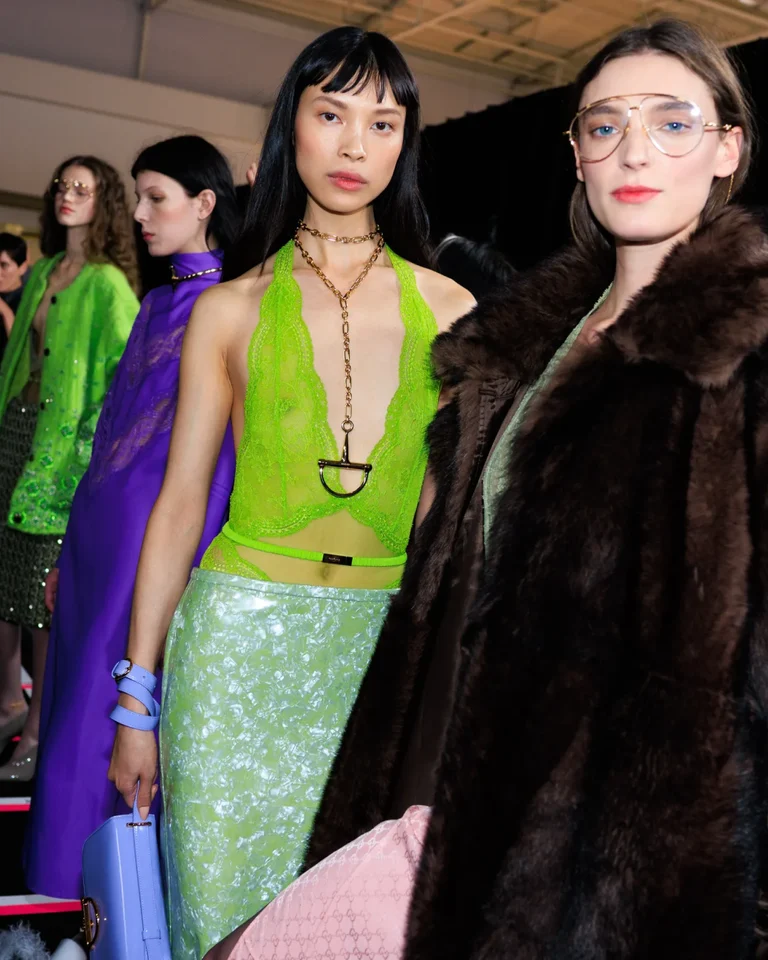
Per the half-year results, the quarter's growth was fueled by eyewear and jewellery — categories where Kering's operating discipline shows up fastest, and where Gucci's demna-era refocus has leaned on harder-edged statement pieces rather than the logo-heavy formulas of the last cycle. Group-level, the portfolio logic is doing its job: while Gucci stabilizes, Bottega and the jewellery maisons carry the compounding.
The detail most coverage skipped
The beat arrived before Demna's Gucci has fully ramped. His first collections are only now reaching stores in volume, meaning the quarter's improvement reflects cleanup — inventory, markdown discipline, store closures — rather than the creative restart's sales effect. The real test of the 1.4-billion-euro quarter is not this winter's sell-through; it is whether spring 2027 orders grow when the new-look product mix is fully priced and fully distributed.
The print also settles an internal question that has hung over Kering since de Meo arrived: whether the group would defend Gucci's price architecture or chase volume to stabilize revenue. Beating consensus while shrinking is the clearest possible answer — the group chose margin and brand equity over top-line optics, and the market endorsed the choice within a trading session, per Reuters.
Why this matters for the season ahead
Kering's quarter reframes the autumn narrative for the entire sector: after eighteen months of restructuring stories, the market's first "stabilization beat" sets the template other turnaround houses will be measured against. For shoppers, expect fewer Gucci discounts through the holiday season — management has just been rewarded for restraint, and markets reinforce what gets rewarded.