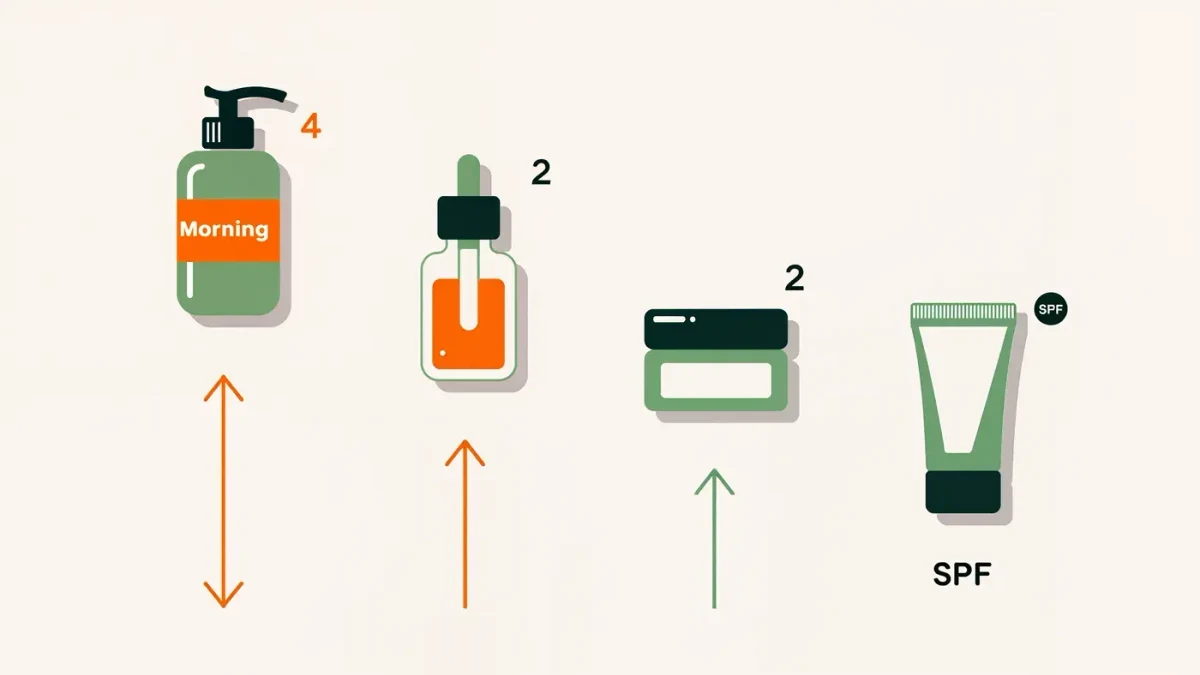
Vitamin C earns its shelf space as an antioxidant: used correctly, a serum with 10–20 percent L-ascorbic acid — or a stabilized derivative — brightens tone and softens pigmentation over eight to twelve weeks, per peer-reviewed dermatology studies. It does not replace sunscreen; it works underneath one, mopping up the free radicals that UV and pollution generate before they can dent collagen and trigger dark spots. That division of labor is the whole point, and the reason morning is the form's natural slot.
irritation that persists, or any skin condition being treated by a doctor, belongs in a dermatologist's office, not a comment thread.
Which form of vitamin C should you buy?
The aisle sells one gold standard and several sensible compromises, and the difference is chemistry, not marketing spin:
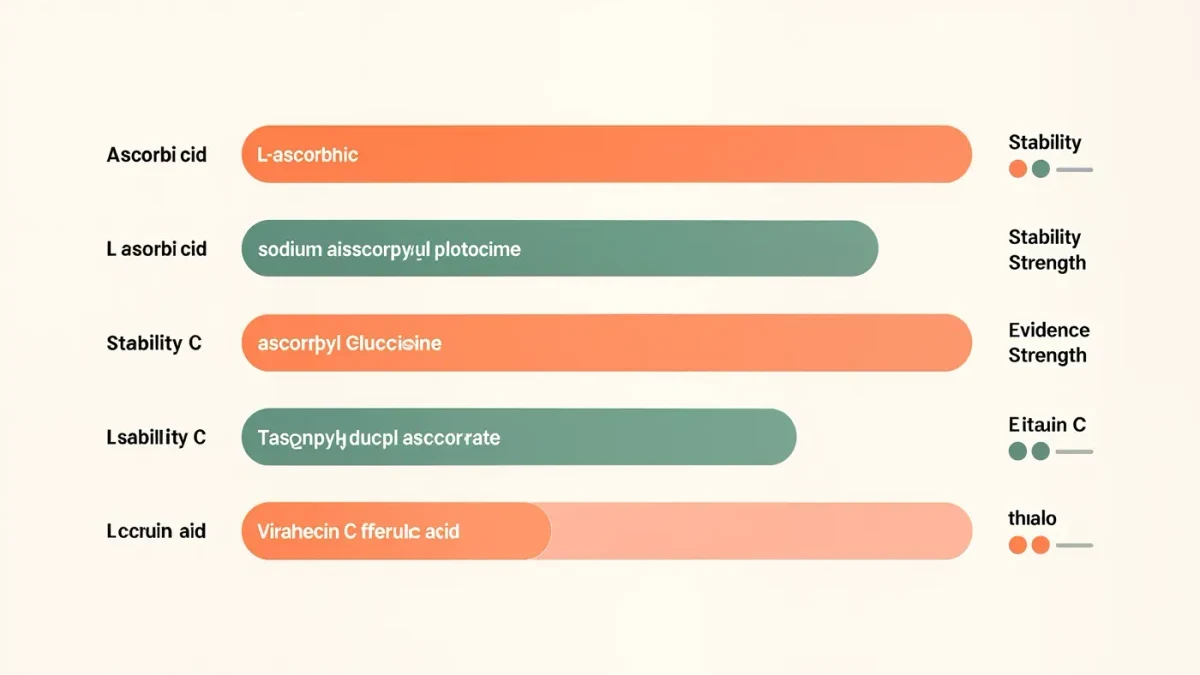
| Form | Strength | Character | Best for |
|---|---|---|---|
| L-ascorbic acid | Gold standard | Most studied; unstable in light and air; pH below 3.5 | Normal to oily, resilient skin |
| Sodium ascorbyl phosphate | Stable derivative | Converts slowly; gentler; milder evidence file | Sensitive, acne-prone skin |
| Ascorbyl glucoside | Stable derivative | Enzymes convert it in skin; steady rather than dramatic | Beginners, pigmentation maintenance |
| Tetrahexyldecyl ascorbate | Oil-soluble | Penetrates readily; low irritation; smaller (though growing) evidence base | Dry skin, layered routines |
| Ascorbic acid + ferulic + E | Fortified classic | Ferulic acid stabilizes the formula and boosts photoprotection in studies | Serious daily prevention |
The landmark pharmacokinetic study from North Carolina State University found that human skin saturates with roughly 15 percent topical L-ascorbic acid; concentrations above 20 percent absorb no further and only increase irritation. That single finding answers most of the percentage arms race on the market. Ascorbic acid also demands pH below about 3.5 to penetrate, which is why well-built formulas feel sharp and why cheap ones often do nothing at all.
What does vitamin C actually do for skin?
Three documented jobs. First, antioxidant defense: it neutralizes free radicals from UV exposure and urban pollution before they damage cell structures, and studies by Sheldon Pinnell and colleagues at Duke demonstrated that topical vitamin C reduces the sunburn-cell damage caused by UV exposure — as a supporting act to sunscreen, never a substitute. Second, collagen support: ascorbic acid is a required cofactor for collagen synthesis, and skin biopsies in published trials show increased dermal collagen after three to six months of topical use. Third, pigment control: it interferes with tyrosinase, the enzyme that drives melanin production, which is the mechanistic basis for its reputation against dark spots and post-blemish marks. What it does not do is exfoliate, tighten, or deliver overnight brightness; the visible vocabulary is gradual tone-evening, not transformation.
When should vitamin C go on — morning or night?
Morning, by most dermatologists' preference, because that is when the oxidative load arrives: daylight, pollution, the commute. Applied under broad-spectrum SPF 30, vitamin C extends the protection the sunscreen provides, and the pairing outperforms either alone in controlled studies. Night use is not wrong — some prefer it there, especially alongside retinol — but a morning slot gives the antioxidant work a full day of incoming damage to intercept. Once daily is enough; the skin holds a reservoir for roughly 72 hours after saturation, per the North Carolina State pharmacokinetics work.
Which pairings work with vitamin C — and which clash?
- Vitamin C + sunscreen: the defining pairing. Antioxidant layer, then UV filter, in that order.
- Vitamin C + vitamin E + ferulic acid: the classic trio; E regenerates C as each sacrifices itself, and ferulic stabilizes the solution.
- Vitamin C + niacinamide: no longer a feud. The old incompatibility claim came from 1960s studies using unstable raw ingredients at high heat; modern formulas combine them comfortably, and many brands sell them premixed.
- Vitamin C + exfoliating acids: workable for resilient skin, but stacking several low-pH products multiplies sting. Alternate rather than layer if skin reacts.
- Vitamin C + retinol: put vitamin C in the morning and retinol at night. Both demand attention; neither needs the competition.
Why did my vitamin C serum turn orange?
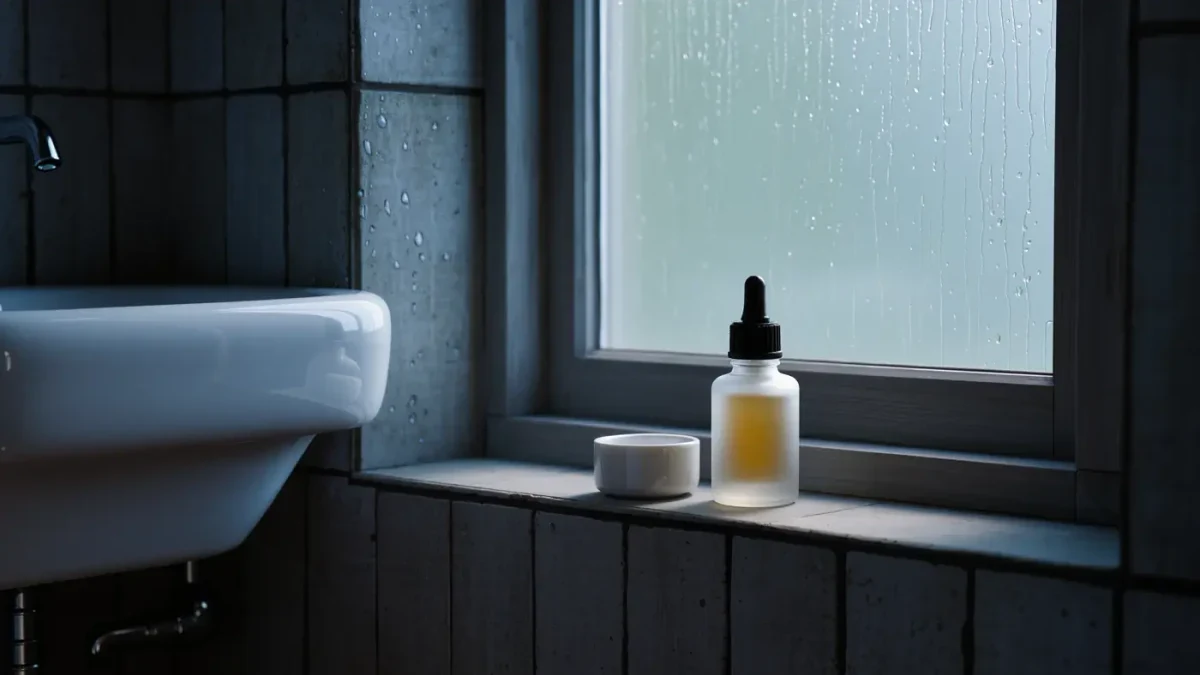
Oxidation, and it is a verdict, not a phase. L-ascorbic acid degrades on contact with air, light and heat; a pale champagne tone darkening toward amber or orange means the active has converted to a form skin cannot use. Well-preserved formulas typically last around three months after opening, a figure cosmetic chemists and consumer guidance commonly cite. Protect the investment: opaque or airless packaging, a bathroom cabinet rather than a sunny shelf, and the cap firmly closed. A serum sold in clear glass should be regarded as decorated packaging for disappointment.
The verdict: vitamin C is prevention with compounding interest. Choose a form suited to your skin, keep it morning, keep it under sunscreen, and judge it on a calendar of weeks rather than the mirror of a single morning.
How do you judge whether a serum is working?
Set the review date at twelve weeks, take it, and forget the bottle until then. The measurable vocabulary of vitamin C is modest: a more even tone where post-blemish marks used to sit, a general luminosity that makeup artists notice before owners do, and a gradual fading of shallow pigmentation. Dermatology trials photograph standardized lighting precisely because memory flatters and panics in equal measure; a phone photo taken in the same window light on the first and last day of the trial period is the honest instrument. If nothing has shifted by week twelve, the fault lies with the formula — oxidized, underdosed, wrong pH — rather than with your skin. Switch forms rather than doubling the dose.
Two practical warnings close the file. First, more is not better: percentages above 20 percent add sting without adding penetration, and sensitive skin often does better on a 10 percent formula used daily than a 20 percent one used fearfully. Second, freshness beats prestige — a modest serum bought recently will outperform a luxury one that has spent six months on a sunlit shelf. Vitamin C is chemistry with a short temper; respect the packaging, keep it under sunscreen, and let the weeks do the talking.