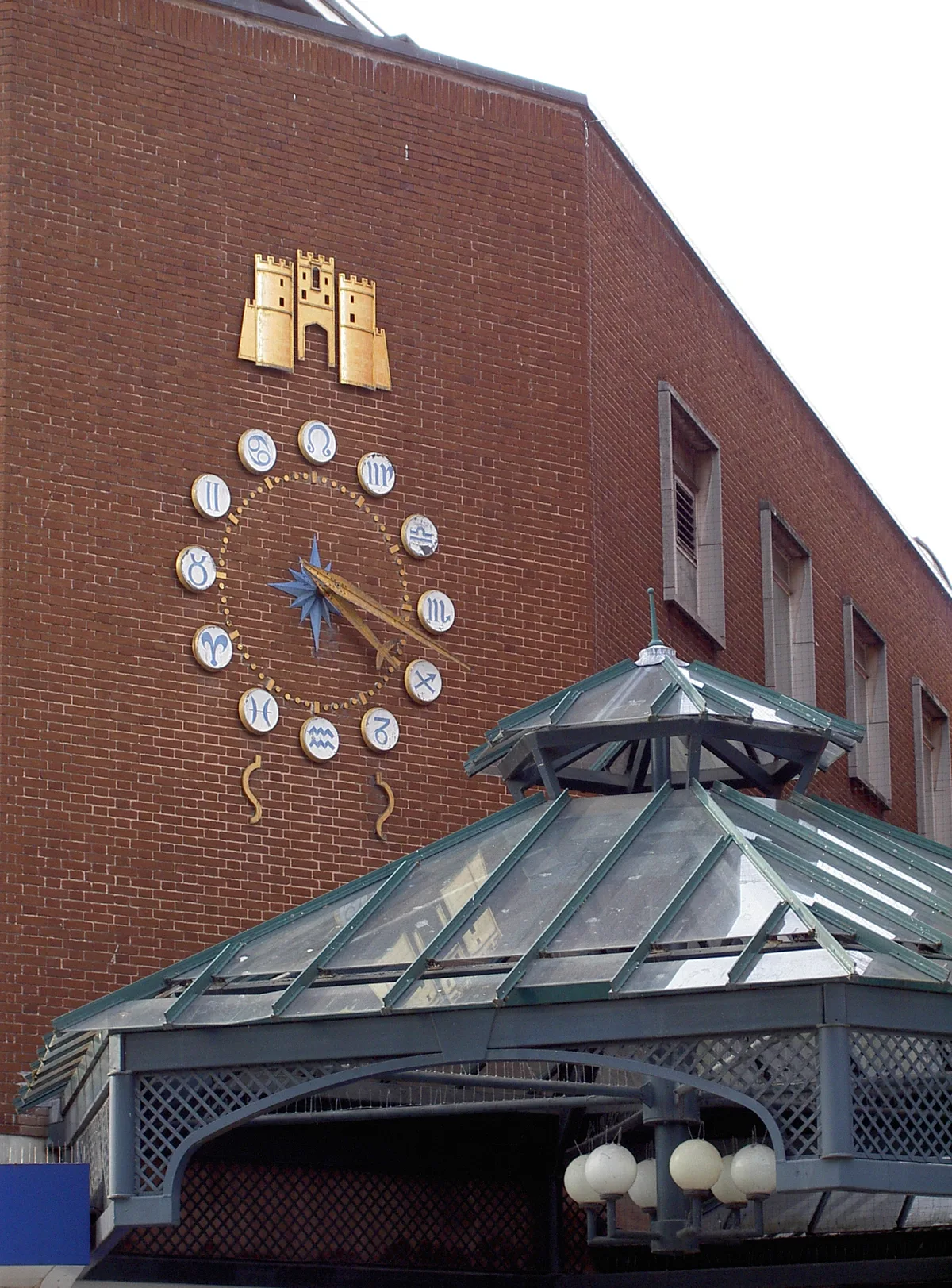
The zodiac elements sort the twelve signs into four families. Fire, earth, air and water take three signs each. The sort is old. The Greek philosopher Empedocles identified the four elements in the fifth century BC. Western astrology later borrowed the shelf for its reading of character. The shorthand claims a mood, and this column reads it strictly for entertainment.
The claims belong to the tradition; the page just hands them over. The birth chart beauty column next door reads the sun, moon and rising placements in the same light register. The astrology hub gathers the whole series in one place.
What Are the Four Elements in a Birth Chart?
Per the published entry, western astrology uses the four classical elements. The connection runs through charts and horoscopes. The twelve signs divide evenly: three fire signs, three earth signs, three air signs and three water signs. In the tradition’s vocabulary, the zodiac elements carry the temperament file. This column reads the file as a wardrobe mood.
- Fire: Aries, Leo and Sagittarius.
- Earth: Taurus, Virgo and Capricorn.
- Air: Gemini, Libra and Aquarius.
- Water: Cancer, Scorpio and Pisces.
Polarity splits the families again in the published tables. Fire and air count as positive. Earth and water count as negative, per the same entry. The split is old too. It matters to readers of the chart, and never to the hemline. Readers following this should also see How to Read Your Astrology Birth Chart, Step by Step.
Where Did the Four-Way Sort Begin?
Per the published astrology reference, the Greek philosopher Empedocles identified fire, earth, air and water as elements in the fifth-century BC. He explained the universe as an interaction of two principles, love and strife. Their mixtures, he taught, produce the different natures of things. People born with nearly equal shares of the elements, he said, see most sharply.
The shelf crossed cultures, per the published entry. Ancient cultures in Greece, Angola, Tibet, India and Mali kept similar lists, the entry notes. Some called air wind, and aether space. The four-way sort, in other words, kept recurring.
The elemental categories are called triplicities because each classical element is associated with three signs. The four astrological elements also map onto Hippocrates’ personality types. Sanguine reads as air, choleric as fire, melancholic as earth and phlegmatic as water. The temperament theory was dropped after the 1850s, the entry records. The vocabulary reads vintage here.
How Is Element Balance Traditionally Read?
The tradition reads a chart by counting elements across its planets and angles. Some astrologers begin natal chart interpretations exactly there, per the published reference. A modern approach, the same entry notes, has its own phrase. It reads elements as the energy substance of experience. The counts are quick, and the outfits are play. The wardrobe game turns the balance into a fabric mood.
- Fire: assertion, drive and willpower, in the entry’s keywords.
- Air: communication, socialization and conceptualization.
- Earth: practicality, caution and the material world.
- Water: emotion, empathy and sensitivity.
What Does the Shorthand Not Claim?
It does not claim the periodic table’s job. Modern science does not back the old four as a way to sort matter. The published entry says so in plain terms. Astrology’s use of them runs on symbolism instead. The entry even names the modern cousins. Solid, liquid, gas and plasma share attributes with the old four. But they describe behavior, not temperament. The tradition reads temperament, and the column reads temperament in fabrics. The wardrobe mood stays a mood. This connects to our earlier piece, Venus Signs, Explained: What Your Venus Says About Taste.
Conclusion: Four Families, One Warm Shorthand
Fire, earth, air and water sort the zodiac into four temperament families. The tradition reads the balance as a mood map. The sort is ancient, the tables are published and the register here stays light. This column files the elements strictly under entertainment. The claims belong to the tradition, and the wardrobe game belongs to the reader.